| |
| |
| |
| Presented By the Healthcare Distribution Alliance |
| |
| Axios Vitals |
| By Tina Reed · Apr 19, 2023 |
| Good morning, Vitals readers. Today's newsletter is 983 words or a 3½-minute read. 🩺 1 concerning thing: More than 4 in 10 adults (44%) ages 18–34 believe someone who's done their own research on a health matter is just as knowledgeable as a doctor, according to the 2023 Edelman Trust Barometer. What we're watching today: A CDC advisory committee may sign off on second COVID boosters for high-risk individuals, an FDA panel will review extended-release opioids and the Supreme Court is expected to issue a ruling in the high-profile fight over a widely used abortion pill. |
| |
| |
| 1 big thing: The COVID origins debate isn't going away |
 |
|
| Illustration: Shoshana Gordon/Axios |
| |
| A new report by Senate Republicans lays out one of the most comprehensive public cases to date for the theory that COVID originated from a lab accident, but its reliance on circumstantial evidence means the debate is far from settled, Axios' Caitlin Owens writes. The big picture: The report focuses largely on missing data and signs of biosafety issues that require interpretation. Yes, but: The absence of evidence pointing, for example, to a precise transmission route from animals to humans will lead to very different interpretations of the same information. - The report "demonstrates, in my view, a political agenda that's meant to bolster the idea that the lab leak hypothesis is more supported than it is. But also it is so full of just factual errors," said Angela Rasmussen, a virologist who has worked on research supporting the idea that COVID didn't come from a lab but spread naturally between species.
Among the compelling arguments made in the report is there's no evidence documenting which animal spread the virus to humans. - The presence of a unique "furin cleavage site" in COVID's spike also could be a sign the virus was somehow engineered in a lab.
- And there's evidence that the Wuhan Institute of Virology was vulnerable to an accident.
- The report also notes patent information suggests vaccine development was underway before China had officially confirmed any cases.
Go deeper. |
    |
| |
| |
| 2. Supreme Court takes on abortion pills |
 |
|
| Photo: Andrew Caballero-Reynolds/AFP via Getty Images |
| |
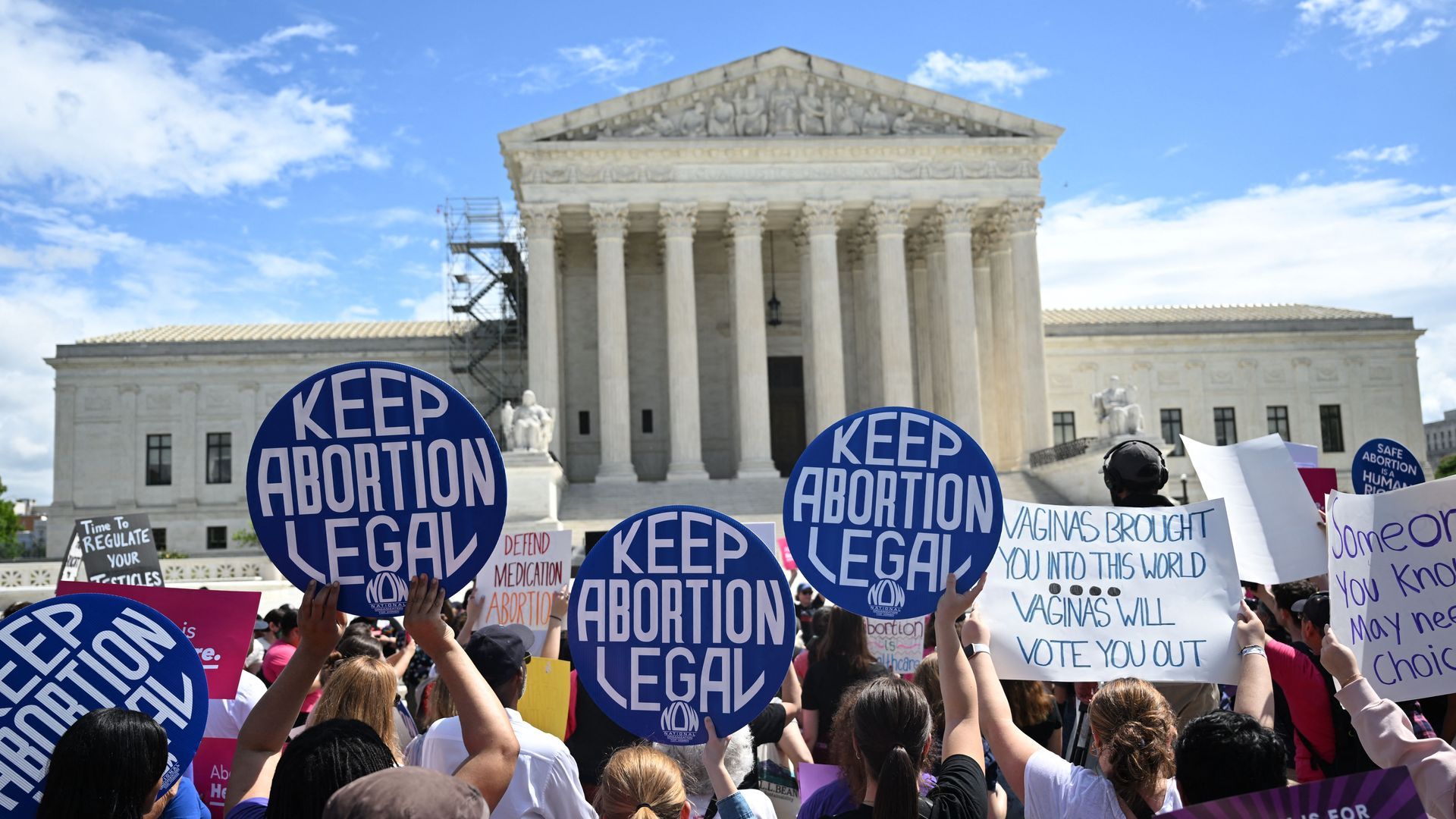
| The Supreme Court today is expected to rule today on orders that could suspend FDA approval of a pill used in over half of abortions in the U.S., Axios' Oriana González writes. Why it matters: If upheld, it would mark the first time a court has ordered an FDA-approved drug off the market. But the case could take a variety of turns, largely because the order is a preliminary injunction. Even upholding it wouldn't completely settle the underlying case, which was brought by anti-abortion groups over the FDA's approval of the abortion pill mifepristone. Catch up quick: The decision will come less than a week after Justice Samuel Alito temporarily blocked new restrictions on mifepristone while the challenge to the FDA's authority plays out. The temporary stay expires today. - It's been less than a year since the high court overturned Roe v. Wade and justices said they should not be expected to further create national abortion policy.
- Alito at the time wrote that the court could not regulate abortion, adding that that power rested with the "people and their elected representatives."
This is a developing story. Please check Axios.com for updates. |
| |
| |
| |
| 3. Biden plans $1B for COVID shots for uninsured |
| The Biden administration plans to earmark $1 billion to cover COVID-19 vaccinations of the uninsured in partnership with pharmacy chains that will cover the costs of administering the doses, officials told the New York Times on Tuesday. Why it matters: The move attempts to allay fears that COVID vaccine access might get cut off to the uninsured as the administration gears up to recommend another booster for high-risk Americans. It also comes with the COVID response set to shift to the private market when the COVID public health emergency ends next month. That could leave some on the hook for the cost vaccines, treatments and tests. Context: Both Pfizer and Moderna have pledged to offer COVID shots at no cost to the uninsured even as both have said they plan to charge $110 to $130 per dose of COVID vaccine once government purchases end. - Moderna, in particular, has come under fire for its plan to raise prices to that degree because of the benefit it received from the federal government in creating the vaccine.
Related: FDA approves 2nd omicron booster for high-risk people |
| |
| |
| |
| A message from the Healthcare Distribution Alliance |
| Making the pharmaceutical supply chain more resilient |
| |
 |
| |
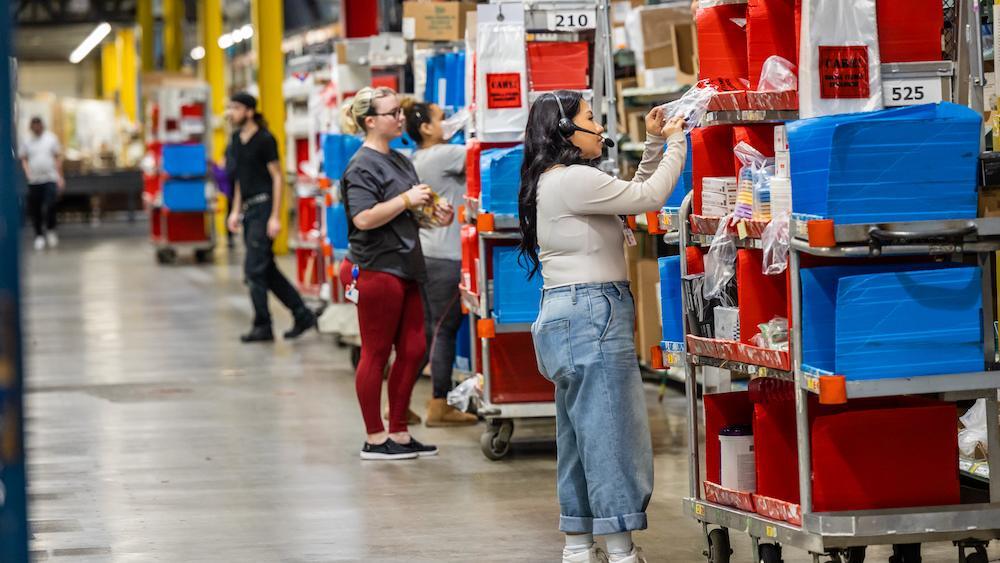
| A more resilient supply chain requires enhanced collaboration between the public and private sector. What you need to know: Healthcare distributors have been working with supply chain and government partners to build on collective strengths and identify ways to enhance resilience. Read more. |
| |
| |
| 4. 👾 Congressional health data breach |
 |
|
| Photo: Celal Gunes/Anadolu Agency via Getty Images |
| |
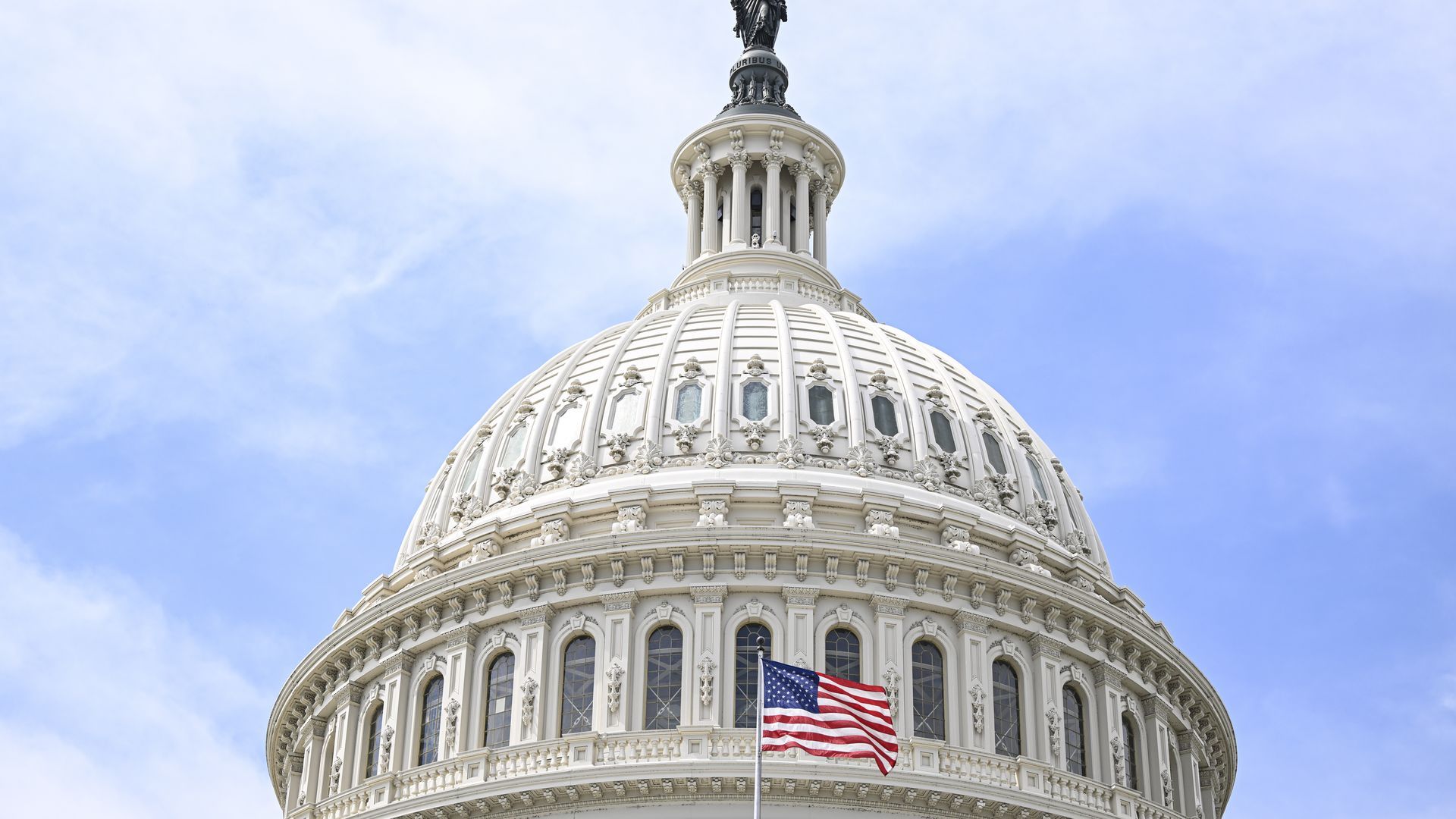
| A total of 17 House members and 585 congressional aides were affected by a data breach at the District of Columbia's health insurance marketplace last month, the marketplace's director will tell Congress on Wednesday, Axios' Sam Sabin writes. Why it matters: Both Congress and insurance marketplace DC Health Link have been investigating the scope of the recent breach following posts on underground hacker forums selling stolen customer data. - Wednesday's hearing will mark the first time both parties will discuss the findings — including how the breach happened and the estimated scope of the incident.
The details: The breach also compromised the data of 43 family members of House lawmakers and 231 dependents of the House staff members, according to a copy of D.C. Health Link executive director Mila Kofman's testimony published ahead of the hearing. - The breach, which affected more than 56,000 current and former D.C. Health Link customers, occurred because of a misconfigured cloud server, Kofman plans to tell lawmakers.
|
| |
| |
| |
| 5. Data du jour: Post-COVID health spending jumps |
 Data: Health Care Cost Institute; Chart: Axios Visuals Health care spending for individuals with workplace coverage rose by more than $1,100 per person between 2017 and 2021, according to a report released Wednesday by the Health Care Cost Institute. By the numbers: Health care spending rose an average of $250 a year between 2017 and 2019 before falling in 2020 — the first year of the pandemic — by about $204, the report showed. - Then, spending spiked, increasing by $837 — reaching $6,467 per person on average, the report found.
Between the lines: This is a story about how much people were using health care rather than a story about price hikes. Utilization rose 13% from 2020 to 2021, following a 7.5% decline at the outset of the pandemic in 2020. - In the same time period, average prices grew 2%.
|
| |
| |
| |
| 6. Catch up quick |
 |
|
| Satellite imagery of a damaged hospital in Khartoum, Sudan. Satellite image: (c) 2023 Maxar Technologies |
| |
| 🏥 "We left behind children in incubators:" Witnesses describe hospital shelled in Sudan's clashes. (CNN) 🧴 The U.S. Preventive Services Task Force says there's insufficient evidence to recommend for or against visual exam for skin cancer screening. (Medscape) 🫁 A record 64 million Americans are facing daily spikes in deadly particle pollution. (Axios) 👀 COVID may increase the risk of Type 2 diabetes, researchers find. (New York Times) |
| |
| |
| |
| A message from the Healthcare Distribution Alliance |
| $63 billion in savings to the healthcare system |
| |
 |
| |
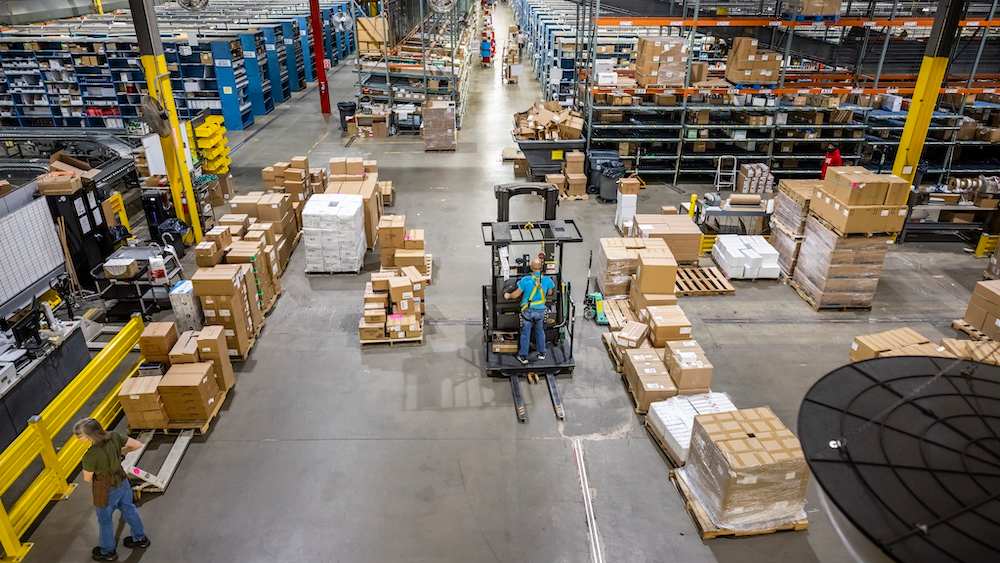
| Distributors ensure the safe, efficient and reliable delivery of more than 11 million medicines, vaccines and healthcare products every day. Why it's important: By streamlining the supply chain, distributors reduce costs for the healthcare system and ultimately patients. Learn more. |
| |
| Thanks for reading, and thanks to senior health care editor Adriel Bettelheim and senior copy editor Bryan McBournie for the edits. |
 | | Dive deeper into the future of health care | | |


No comments