addiction
Behind bars, pleas for help with addiction often go nowhere
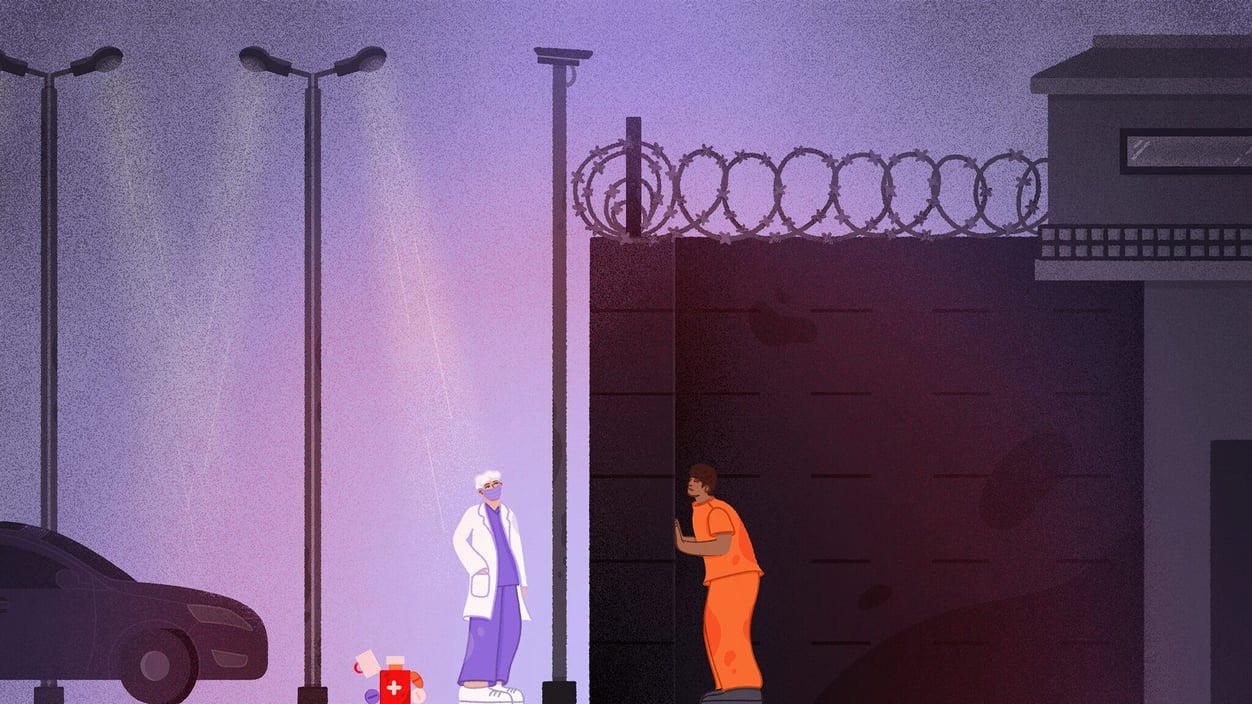
Thumỹ Phan for STAT
There are roughly 2 million people incarcerated in the U.S. — more than any other country by far — spread out over 122 federal prisons, more than 1,500 state prisons, and more than 3,000 local jails. It's unclear exactly how many of those people suffer from substance use disorders, but existing data points to the majority of them.
If you've read the first few parts of the War on Recovery series from STAT's Lev Facher, then you know there are cheap and highly effective treatments for opioid addiction in methadone or buprenorphine. People who receive these medications while incarcerated are 75% less likely to die of an overdose. But in the latest story in the series, Lev reports that much of the justice system keeps these medications out of reach. More than half of state prisons and an estimated two-thirds of local jails don't offer medication for opioid addiction in any form.
At least partially as a result, people being released from jail or prison are 129 times more likely than the general population to experience a fatal overdose, according to one estimate. Read more from Lev.
health insurance
Fixing the 'failed experiment' of U.S. health insurance
Luigi Mangione was indicted yesterday on charges including first-degree murder after the killing of UnitedHealthCare CEO Brian Thompson earlier this month. Ever since the shooting, and the subsequent wave of apathetic and resentful responses online, there's been a spotlight on the flaws within the country's private health insurance system. In a new First Opinion essay, journalist Merrill Goozner writes, "It is time to put an end to this failed experiment."
But where to start? First Opinion editor Torie Bosch has called for essays that offer up solutions to the problems highlighted in this cultural moment. Goozner offers his ideas on how to design payment policies that serve patients, not the insurance industry. Read more.












No comments