chaos
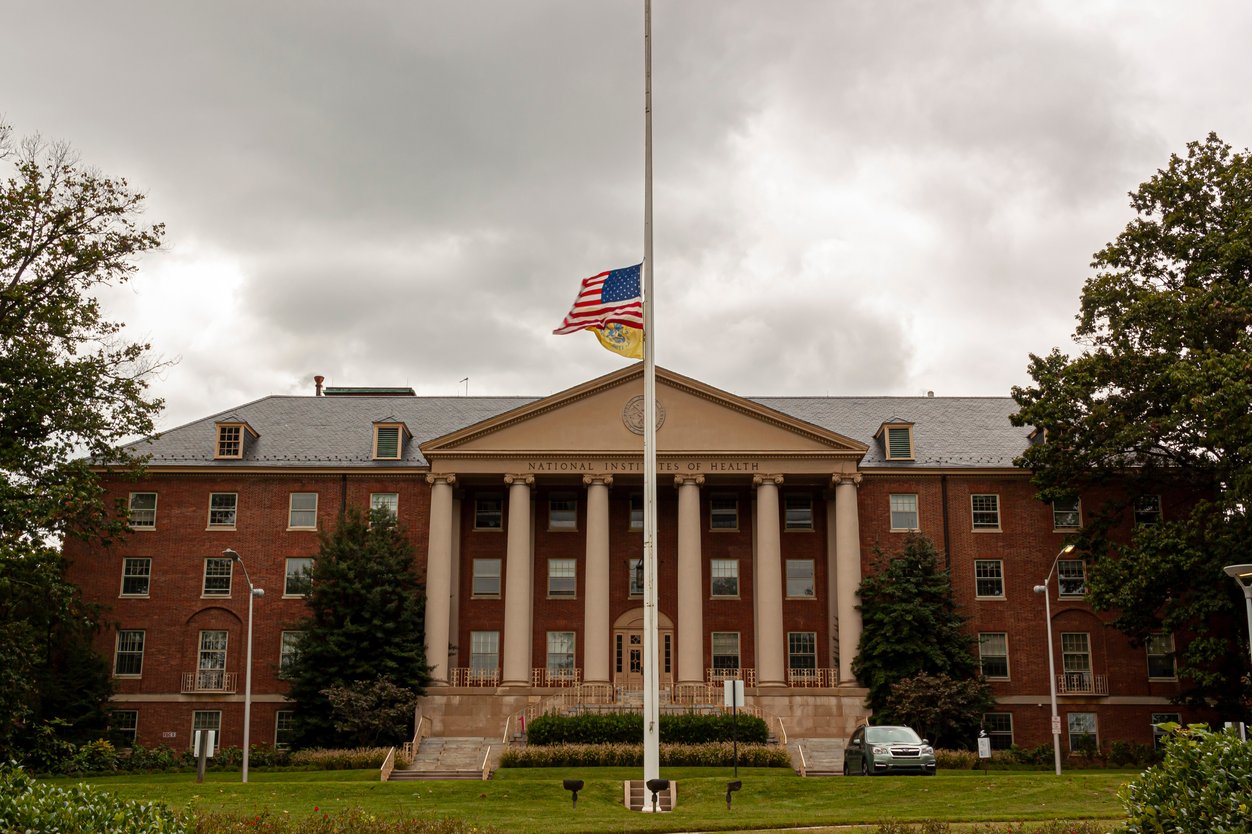
'Everyone is on edge' at NIH
Adobe
After two months of stress, uncertainty, shifting funding policies, communications and travel, firings and, in some cases, rehirings, more upheaval is on the horizon for the NIH. Like at other federal agencies, employees have been offered $25,000 buyouts and early retirement. They had until 5:00 p.m. Friday to express interest in those offers. On top of that, the agency is expected to cut between 3,400 and 5,000 positions from its workforce of 20,000 in the coming days.
"Nobody feels like their job is safe," said Kim Hasenkrug, an NIH scientist emeritus. "Even the top people can't keep track because they're hiring and firing so much." Read more about the mood inside the agency from a great team of STAT reporters.
addiction
How to make overdose medication available in a crisis
Strategically placing naloxone kits at transit locations is the best way to make sure that people experiencing an overdose can be treated in time with the lifesaving medication, according to a study published today in the Canadian Medical Association Journal. Researchers analyzed more than 14,000 overdoses in the Vancouver area between 2014 and 2020, finding that the best approach for policymakers involves putting these narcan kits around public transit — and finding those spots by using mathematical optimization models like those used to place AEDs.
Imagine, just like the AEDs placed all around us to treat people in cardiac arrest, a Narcan kit placed on the outside of a building with clear signage. In the U.S., researchers have previously proposed a similar approach, but there is no federally-mandated access to the medication.
Vancouver also has almost 650 existing programs that offer take-home naloxone, most often utilized by people who may be bystanders to an overdose in the future. The researchers noted that making blankets available at those locations, in combination with publicly available Narcan, helped address a major proportion of overdoses in the city.
first opinion
An NGO director on the 'devastating' USAID shutoff
On the first day of his presidency, Donald Trump issued an executive order calling for a pause on funding and disbursement of all foreign aid. By the end of January, hundreds of staffers at the U.S. Agency for International Development had been let go. Last week, the administration announced that 83% of USAID programs had been terminated.
It might be hard to comprehend the effects of all this, if you live in the U.S. In a new First Opinion essay, Jeffrey Okoro, the executive director of an NGO in Kenya, details how the sudden dismantling of the agency has affected the people in his community: "In an instant, more than 1,000 patients at my health care clinic outside Nairobi lost access to lifesaving HIV treatments. Thousands more could no longer receive treatment for tuberculosis or contraception that prevents teenage pregnancies, hurting the well-being of our communities and threatening the progress we've made in their medical care." Read more.












No comments