global health
The starkest warning yet from WHO
FABRICE COFFRINI/AFP via Getty Images
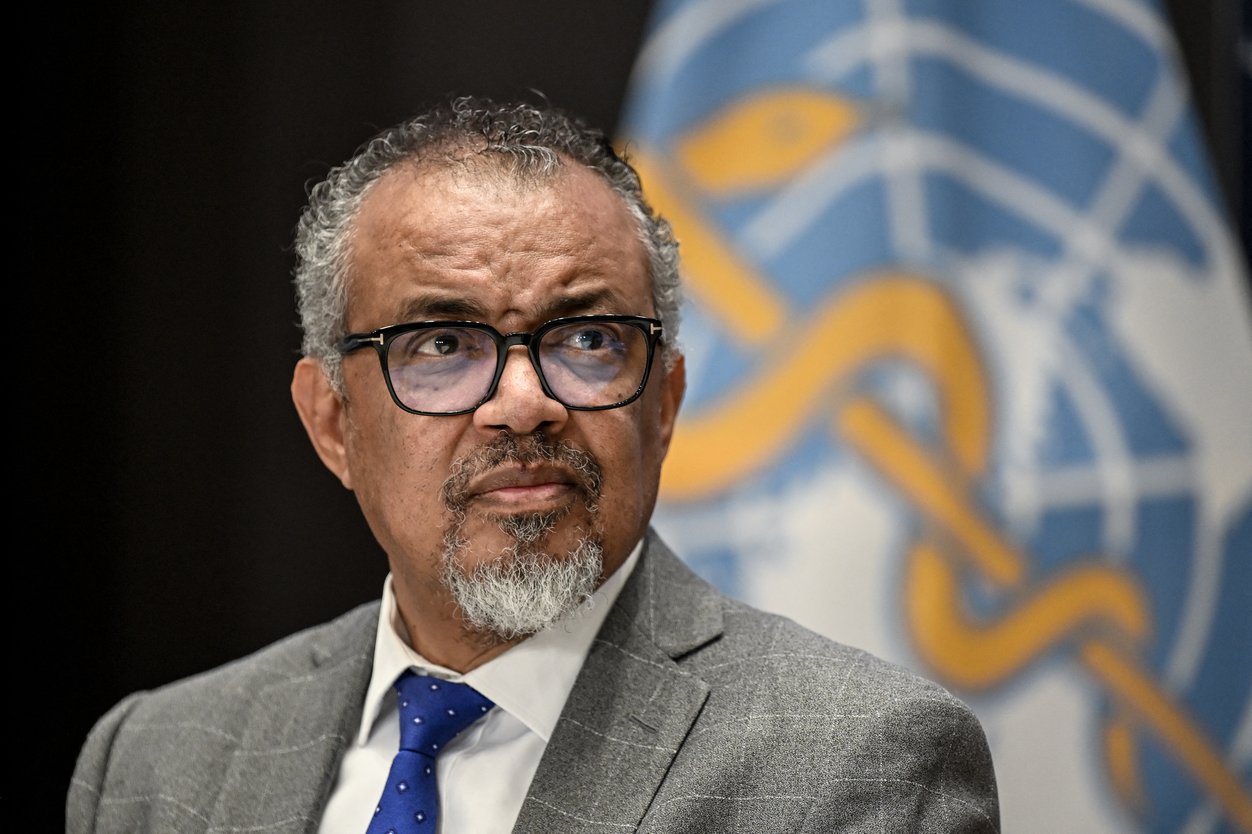
Yesterday, the WHO issued its starkest warning yet on the consequences of the abrupt cessation of U.S. global health funding, saying it is threatening to reverse years of progress in the fight against diseases like HIV, tuberculosis, and measles.
"The U.S. administration has been extremely generous over many years. And of course it's within its rights to decide what it supports and to what extent," Director-General Tedros Adhanom Ghebreyesus said during a news conference in Geneva. "But the U.S. also has a responsibility to ensure that if it withdraws direct funding for countries, it's done in an orderly and humane way that allows them to find alternative sources of funding." Read more from STAT's Helen Branswell on where things stand.
Helen also recently spoke with John-Arne Røttingen, CEO of the Wellcome Trust, about how charities and other governments will be unable to fill the gaps left by the Trump administration's decision to slash aid spending. Read their conversation here.
LGBTQ+ health
Gender-affirming hormones linked to lower risk of depression
In a study of more than 3,500 trans and nonbinary people, those who received gender-affirming hormones had a statistically significantly lower risk of moderate-to-severe depressive symptoms than those who didn't receive the treatment. The research, published yesterday in JAMA Network Open, analyzed data from patients at two prominent federally qualified community health centers that treat queer communities — Callen-Lorde in New York, and Fenway Health in Boston.
The results are hardly surprising, as experts — clinicians, researchers, and trans people themselves — have long known that gender-affirming treatment has mental health benefits. But it can be both logistically and ethically difficult to conduct robust, randomized, anonymous research on treatments that come with known benefits.
The study comes out at a time when research on trans and queer communities is being dismantled by the Trump administration. Relatedly, I spoke with Ankit Rastogi, the director of research at Advocates for Trans Equity, about how groups like theirs can fill the gap. "It's important to show how gender-affirming care impacts people," they said. "If people aren't collecting those data, then we can't make those same arguments." You can read that Q&A here.
first opinion
Would banning drug ads actually work?
No. So says "reformed hypochondriac" and health tech CEO Hal Rosenbluth in a First Opinion essay published today. Rosenbluth understands the urge to ban direct-to-consumer drug ads — he's vulnerable to them himself. But as he points out, the pharmaceutical industry is strong, spending billions on these advertising and lobbying efforts.
Instead of banning the ads, Rosenbluth argues for reining them in. "Pharmaceutical companies, like 'mackerels in the moonlight,' stink and shine at the same time," he writes. The products are innovative, but the ads can be manipulative. Read more from Rosenbluth on how to install stricter regulations on transparency and accuracy in these ads.


-jpg.jpeg?width=1252&height=704&upscale=true&name=GettyImages-1227710555-1600x900%20(1)-jpg.jpeg)









No comments