politics
Trump says CDC is 'being ripped apart'
BRENDAN SMIALOWSKI/AFP via Getty Images
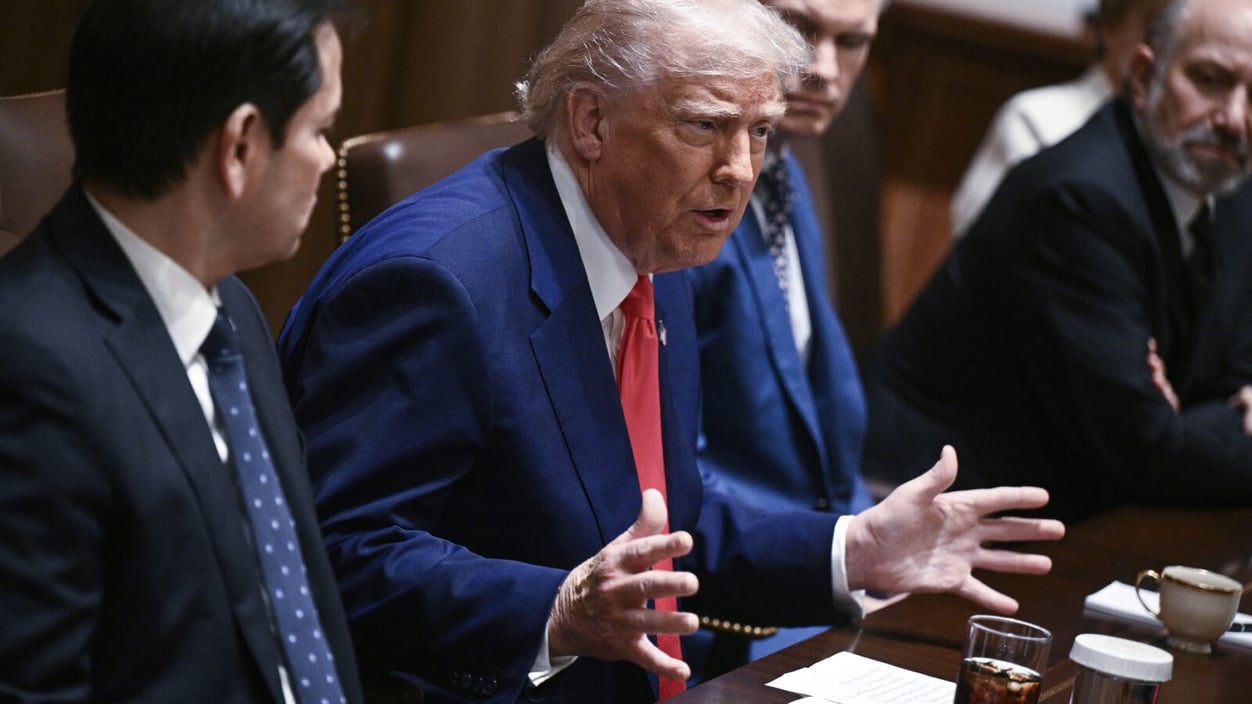
President Trump urged pharmaceutical companies to publicly prove that their Covid-19 products work, saying yesterday in a Truth Social post that the CDC is "being ripped apart over this question." The post, which came five days after the ouster of Susan Monarez as CDC director and resignation of several other top officials, appeared to be Trump's first public acknowledgement of recent tumult at the agency.
Beyond the fact that drug companies have long shared their findings publicly — evidence has repeatedly shown Covid vaccines to be clearly safe and effective for most people — the post appeared to be ambiguous.
Trump neither fully embraced Robert F. Kennedy Jr.'s view that Covid vaccines were harmful, nor dismissed it out of hand either. Read more from STAT's Daniel Payne and Matthew Herper on how to interpret the Rorschach test of a social media post. Meanwhile, nine previous CDC directors wrote in the The New York Times that Kennedy's upending of federal health agencies is putting American lives in danger.
Congress
Happy September. Lawmakers are back to business
Congress returns from its summer recess today. Legislators have 28 days before they hit the deadline for funding the government. Negotiations on health care issues, in particular, could be messy, STAT's John Wilkerson writes, but there are glimmers of hope for bipartisan agreement.
The expiring enhanced subsidies that have made Affordable Care Act marketplace plans cheaper will likely factor prominently into the government-funding debate, thanks to their cost and political importance, which will in turn affect multiple other health care policies. Those include hospital site-neutral payments, Medicare Advantage coding intensity adjustments, drug middlemen reforms, and more. Read more from John on what's ahead.
research
There still aren't enough women in cardio trials
Women still aren't accurately represented in some cardiovascular disease clinical trials, especially on high-risk conditions, according to a study published Sunday in JAMA Network Open. Researchers found improved levels of participation by women in studies focused on obesity, pulmonary, and hypertension. But female-to-male ratios were significantly low in trials on arrhythmia, coronary heart disease, acute coronary syndrome, and heart failure. The ratios were more even on studies looking at prevention strategies like lifestyle interventions than they were for drug studies.
Researchers analyzed data from more than 1,000 clinical trials between 2017 and 2023. Out of nearly 1.4 million participants, 41% were women. The review "highlights both progress and persistent gaps in the representation of women in CV trials," the authors write, emphasizing the need for more targeted strategies to improve inclusive trial design, including policies mandating diversity. Continued underrepresentation limits how generalizable the research is, they added.
politics
Happy September. Congress is back to business
Congress returns from its summer recess today. Legislators have 28 days before they hit the deadline for funding the government. Negotiations on health care issues, in particular, could be messy, STAT's John Wilkerson writes, but there are glimmers of hope for bipartisan agreement.
The expiring enhanced subsidies that have made Affordable Care Act marketplace plans cheaper will likely factor prominently into the government-funding debate, thanks to their cost and political importance, which will in turn affect multiple other health care policies. Those include hospital site-neutral payments, Medicare Advantage coding intensity adjustments, drug middlemen reforms, and more. Read more from John on what's ahead.












No comments