Your guide to how tech is transforming health care and the life sciences
| Health Tech Correspondent |
|
|
Good morning health tech readers! Today, the FDA loses more leaders at its devices center as it wrestles with pressing questions. Do not miss a new investigation from Casey Ross and Tara Bannow into how health insurer Humana used its internal research arm to present a rosy picture of care at its clinics. Reach me: mario.aguilar@statnews.com |
|
|
medical devices Continued exodus at FDA digital center 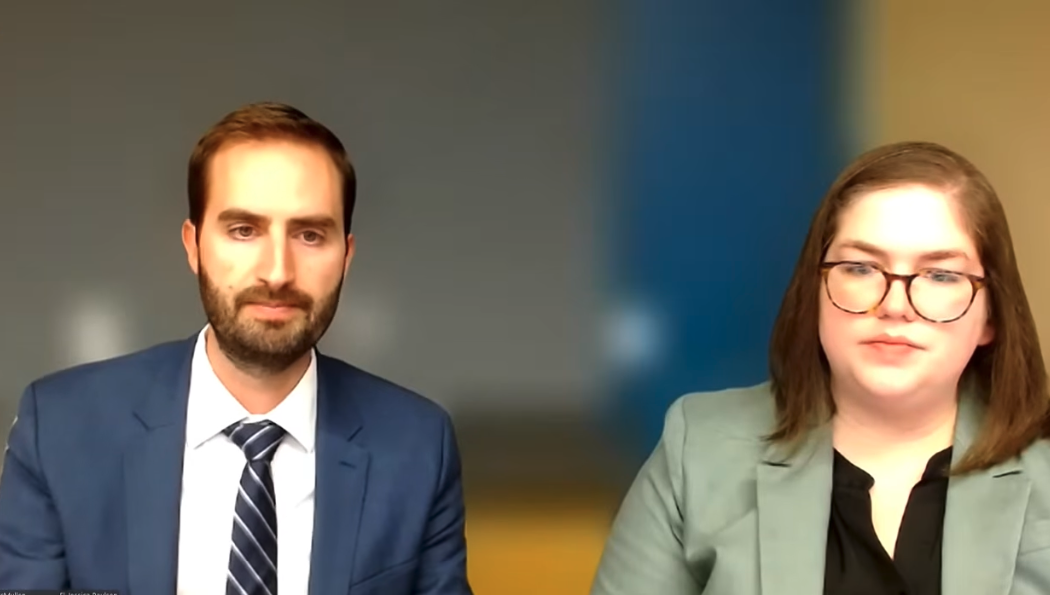
A tumultuous year at the Food and Drug Administration will be capped off at the agency's devices center with the departure of two key leaders, just as regulators are sorting through challenges related to artificial intelligence and launching new initiatives on software as a medical device regulation. - Sources tell us Jessica Paulsen, a 15-year veteran of FDA and acting deputy director of its Digital Health Center of Excellence is leaving the agency. She's been leading the center since last summer when the last acting head, SonjaFulmer, left FDA for Mayo Clinic. Fulmer took over for Troy Tazbaz who left in January to return to Oracle. The center's work includes communicating with industry and developing guidances relevant to digital health. (FDA did not respond to a request for comment.)
- Neuralink, Elon Musk's frothy brain-computer interface company, poached David McMullen, director of FDA's office of neurological and physical medicine devices, which is in charge of regulating Neuralink. McMullen spent three years atop the office and previously worked at the National Institute for Mental Health.
- Both Paulsen and McMullen were at the forefront of important conversations about the future of regulation. I grabbed the screenshot above of the two leaders from a video of last month's Digital Health Advisory Committee meeting on generative AI-enabled mental health devices. Separately, McMullen's office will have oversight of behavioral health devices under the FDA's new TEMPO pilot.
- New to me: As part of the funding package that reopened the government last month, lawmakers passed full-year 2026 funding for FDA. Buried within the Senate report accompanying the legislation, lawmakers direct FDA to, within 90 days, (February) report on its authorities to regulate AI medical devices, and within 180 days, (May) report on "the status of the FDA's efforts regarding engagement on AI in drug development."
- The Government Accountability Office last week released a report on medical device recalls which found, among other things, that "insufficient staff limit FDA's ability to conduct oversight activities." In other words, the FDA already does not have enough staff to oversee medical devices and is losing key leadership at a time when new technology and initiatives may require additional horsepower.
radiology The future of the mammogram Applying AI to mammograms to help radiologists spot signs of breast cancer is increasingly common but researchers and AI companies want to apply new analyses to the routine screening tests to trigger more proactive care to prevent future cancers, heart attacks, and strokes. In one important breakthrough, the startup Clairity received FDA authorization for AI that offer a prediction of somone's five-year breast cancer risk based on a mammogram alone. Katie Palmer reports on the developing field and progress on important steps in expanding the technology including randomized clinical trials, additional regulatory approvals, and the development of clinical guidelines. Read more here
policy How Trump AI executive order could hurt health AI Trump last week signed an executive order that takes various actions to combat the growing number of states passing laws governing artificial intelligence in the absence of federal or congressional action. Supporters like the technology industry argue a patchwork of laws create an insurmountable compliance burden that could hinder innovation. Brittany Trang reports that the order threatens state AI laws that have offered risk-averse health systems some regulatory clarity that may allow them to wade more confidently into using the technology in patient care. Read more here
hospitals Uneven adoption of hospital AI The way people talk about health AI sometimes it's easy to get the impression that it's being used everywhere. A new analysis in JAMA Network Open of 2024 survey data collected by the American Hospital Association paints a more complex picture of AI use. - Nearly one-third of the 2,174 respondents reported hospitals already use a large language model integrated into the EHR and another 25% planned to deploy one within a year.
- However, not everyone is so bullish: 43% report no plans to use LLMs or plans within five years. And 23% of surveyed hospitals reported using no machine learning or other predictive models.
|
|
Health tech news roundup - The Medicare innovation center announced MAHA Elevate an experimental model that will provide $100 million to explore the potential of "evidence-based, whole-person care approaches" including "functional or lifestyle medicine interventions."
- Virtual cardiology company Auxira Health raised $7.8 million co-led by Route 66 Ventures and Abundant Venture Partners.
- Philips announced it will acquire SpectraWAVE "innovator in Enhanced Vascular Imaging (EVI) of coronary arteries, angiography-based physiology assessments, and the use of AI in medical imaging."
- Noom announced a new "Proactive Health GLP-1 Program" combining home blood testing and GLP-1s.
- Doximity announced a new "PeerCheck Model" that will add physician review to its DoxGPT AI tool that offers references to clinical guidelines and literature.
- Can this be right? Fresh off a series of large raises this year OpenEvidence, the widely used search engine for clinical evidence, is raising another $250 million at a $12 billion(!) valuation, according to The Information. The company is scheduled to speak at the J.P. Morgan Healthcare Conference next month. Maybe we'l hear more then.
|
|
Check out more exclusive coverage with a STAT+ subscription | Read premium in-depth biotech, pharma, policy, and life science coverage and analysis with all of our STAT+ articles. |
|
What we're reading - In a banner year for biopharma, here are the best industry CEOs of 2025, STAT
- Texas sues Wisconsin-based Epic Systems, accusing it of running a monopoly, Wisconsin Public Radio
|
|
Thanks for reading! More next time - Mario Mario Aguilar covers how technology is transforming health care. He is based in New York. |
| STAT, 1 Exchange Place, Boston, MA | ©2025, All Rights Reserved. | |
|













No comments