Plus: Why some parents beg for an autism diagnosis ͏ ͏ ͏ ͏ ͏ ͏ ͏ ͏ ͏ ͏ ͏ ͏ ͏ ͏ ͏ ͏ ͏ ͏ ͏ ͏ ͏ ͏ ͏ ͏ ͏ ͏ ͏ ͏ ͏ ͏ ͏ ͏ ͏ ͏ ͏ ͏ ͏ ͏ ͏ ͏ ͏ ͏ ͏ ͏ ͏ ͏ ͏ ͏ ͏ ͏ ͏ ͏ ͏ ͏ ͏ ͏ ͏ ͏ ͏ ͏ ͏ ͏ ͏ ͏ ͏ ͏ ͏ ͏ ͏ ͏ ͏ ͏ ͏ ͏ ͏ ͏ ͏ ͏ ͏ ͏ ͏ ͏ ͏ ͏ ͏ ͏ ͏ ͏ ͏ ͏ ͏ ͏ ͏ ͏ ͏ ͏ ͏ ͏ ͏ ͏ ͏ ͏ ͏ ͏ ͏ ͏ ͏ ͏ ͏ ͏ ͏ ͏ ͏ ͏ ͏ ͏ ͏ ͏ ͏ ͏
| Reporter, Commercial Determinants of Health |
|
|
Who needs March Madness when you have STAT Madness? Round two of our annual competition celebrating innovations in science and medicine starts today — cast your votes here.
|
|
|
politics Fresh turmoil at the FDA with Prasad's exit  Alastair Grant/AP Alastair Grant/AP
Vinay Prasad is out at the Food and Drug Administration for the second time during the Trump administration, after a tumultuous reign as head of the Center for Biological Evaluation and Research. (He was fired in July of last year, then re-hired a few weeks later.) Read STAT's Lizzy Lawrence on the news of his upcoming departure, and STAT's Matthew Herper on five key takeaways. Next, check out Lizzy's related feature on how the lack of public advisory committee meetings at the FDA is worrying rare disease advocates after a series of surprising drug rejections under Prasad. Under the Trump administration, the number of adcomms meetings on drugs fell by 72%. "Advisory committees are costly," one senior FDA official told reporters. "Advisory committees are slow."
weight loss drugs Generic Ozempic could be made for $28 a year, says analysis The cost of weight loss medications is on the way down, with Novo Nordisk slashing list prices for Ozempic and Wegovy to $675 — half their current costs — next year. Direct-to-consumer prices are even less. But the semaglutide drugs remains unaffordable for lots of people in the U.S. and elsewhere.
A new analysis suggests generic versions of the drugs could be a whole lot cheaper as patents expire, starting this month in countries like India, China, Canada, Brazil, and Turkey. Researchers estimate that the generics could be made for as little as $28 per person per year, translating into lower costs for people with conditions like obesity and type 2 diabetes for whom the drugs are currently out of reach. Read more from Ed Silverman.
first opinion Why some parents beg for an autism diagnosis Rates of autism diagnoses are on the rise in the U.S., and pediatrician Lawrence Diller says one explanation is to "follow the money." Lots of parents want insurance coverage for a treatment called applied behavioral analysis, or ABA, that's been shown to benefit not just young children with autism but also those with conditions like global developmental delays. But insurance companies are only required to cover the services if children meet autism criteria, and a year's worth of treatment can cost a family $70,000 out of pocket. "The only way to stop this desperation for an autism diagnosis is to offer financial support and services for all conditions that affect toddlers and preschoolers," Diller writes. Read more.
|
|
business The outcry over 'corporatization of health care' at Oregon hospitals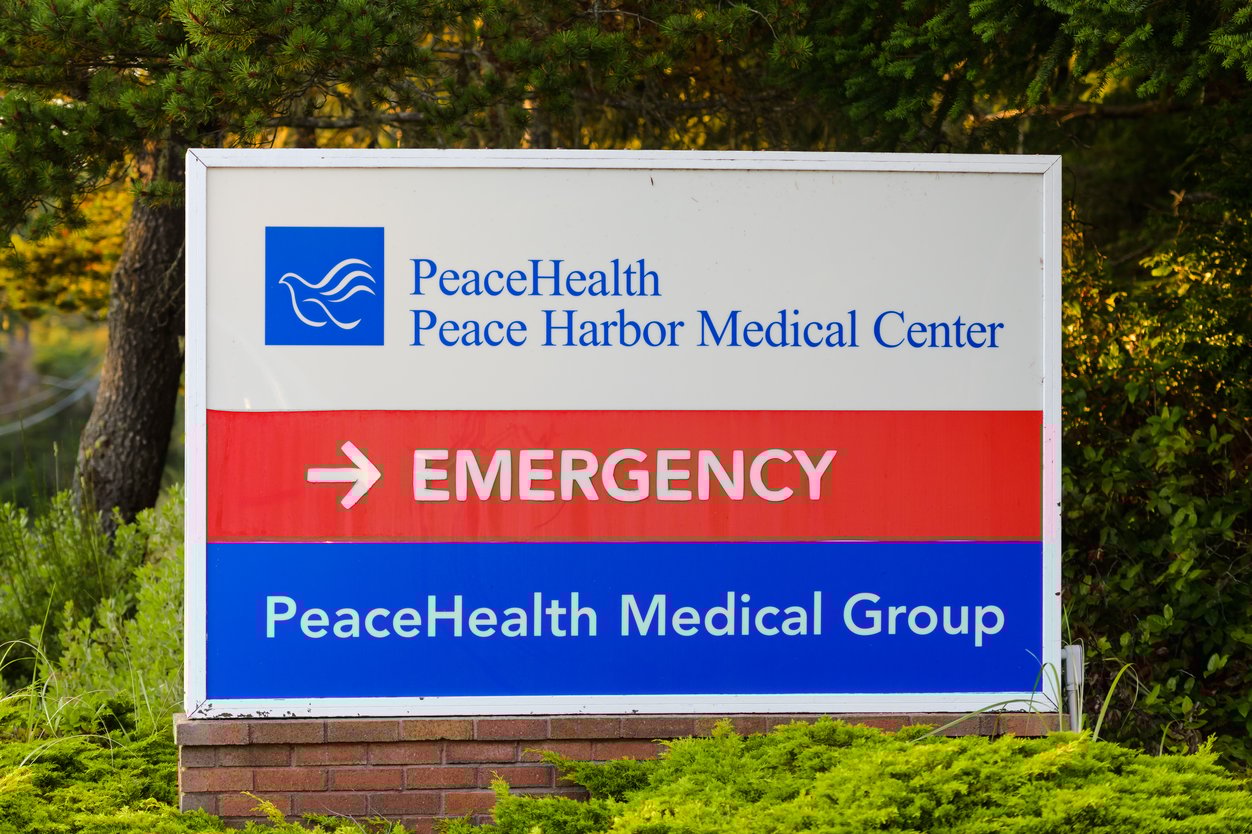 Adobe Last summer, a first-of-its-kind Oregon law went into effect aiming to curb the trend of corporate takeovers and private equity in medicine. Now that law is being tested as the hospital operator PeaceHealth pushes out a local physicians group that's long staffed its emergency rooms in favor of the Atlanta-based ApolloMD, sparking community-wide protests and petitions.
"They expected us to just accept the corporate takeover of our job," one local physician told Tara Bannow. To put the trend in context: Nationwide, less than half of emergency room visits are handled by majority physician-owned groups, and just one in three by doctors employed by the hospital. Read more from Tara on how doctors, nurses, and community members are fighting back.
health care Comparisons that help patients make better decisions A doctor tells you that your chances of developing a certain kind of cancer is 6% — but there's a pill you can take to reduce your risk. Do you want the pill?
Such a decision can be hard to make without context. Knowing that the average person's risk is 3%, for example, may make you more likely to opt for the drug.
That was among the results reported in a JAMA Insights article last week on how clinicians can use numerical comparisons to help patients evaluate the risks and benefits of potential courses of action. Rather than focusing only on the patient's particular situation or best treatment option, the authors suggest, offering statistics about alternatives can help patients feel more comfortable following recommendations. |
|
Check out more exclusive coverage with a STAT+ subscription | Read premium in-depth biotech, pharma, policy, and life science coverage and analysis with all of our STAT+ articles. |
|
What we're reading - Can a 'living drug' cure autoimmune diseases? The New Yorker
- America must not learn to live with 72,000 overdose deaths a year, STAT
- More young women are dying from heart disease — and people are missing these warning signs, Vox
- The FDA, urged to avoid controversy, creates a new headache with attacks against UniQure, STAT
- Jarring alarms out, quieter alerts in. New firehouse dispatch systems aim to ease stress, AP
|
|
Thanks for reading! More on Tuesday — Sarah |
| STAT, 1 Exchange Place, Boston, MA | ©2026, All Rights Reserved. | |
|











No comments