commercial determinants
Squaring a tobacco boost with MAHA values
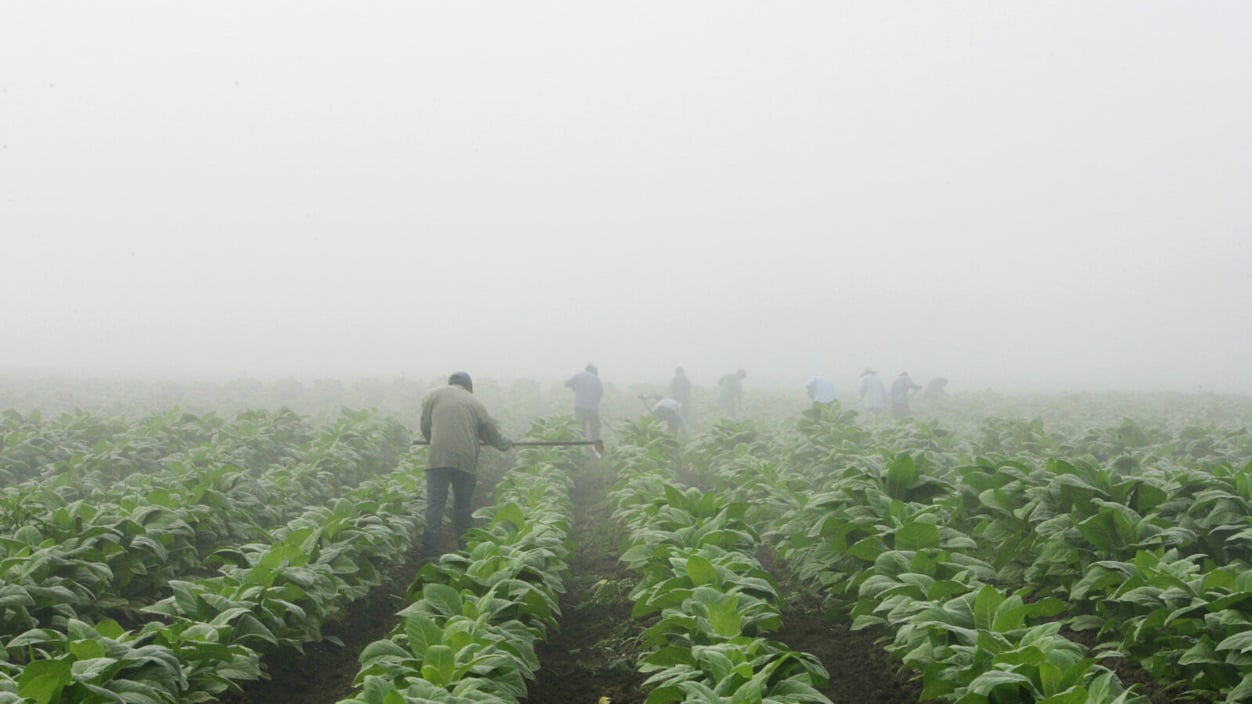
Ed Reinke/AP
An inconspicuous amendment to the 2026 farm bill working its way through Congress would make tobacco farmers eligible for funding from a certain federal aid program that they've been excluded from since the federal tobacco program ended more than 20 years ago. It's not exactly in line with the MAHA goal to lower chronic disease rates in the U.S.
The overall impact of the amendment would be relatively small, "but it amounts to subsidizing a product that kills half a million Americans every year," according to Kelsey Romeo-Stuppy, a nonprofit attorney. Despite the conflict with MAHA goals, if the amendment is included in the final bill, it would be another win for an industry that's having a good run under the Trump administration. Read more from STAT's Sarah Todd on the details.
surveys say
Majority of Americans connect alcohol to cancer
Quick: What's the first thing that comes to mind when you think of the latest Dietary Guidelines for Americans? It's probably not alcohol.
You may recall the 2025-2030 guidelines' inverted food pyramid, with a steak, a stick of butter, and a turkey crowding broccoli, frozen peas, and carrots at the top. What's missing from that image is alcohol. The final version released in January had only two bullet points on that subject: consume "less alcohol for better overall health" and no alcohol if you're pregnant, have alcohol use disorder, or take certain medications.
Still, more than half of Americans said in both February 2025 and February 2026 that drinking alcohol raises your risk of cancer, the Annenberg Public Policy Center reported yesterday. That's a jump from September 2024, when only 40% said they knew of the connection.
Why? Well, the 2025 survey was done a month after U.S. Surgeon General Vivek Murthy called for updated warning labels to alert consumers to the higher risk for at least seven types of cancer. The Annenberg Center connected the dots. — Elizabeth Cooney
science
Meat eating and dementia risk?
As Liz mentioned, the new dietary guidelines, topped with a steak, garnered mixed reactions from experts. Many were particularly troubled by the meat recommendations due to the importance of limiting saturated fat. A study on meat consumption and Alzheimer's risk, published yesterday in JAMA Network Open, adds interesting early data to the discussion, but should be considered with nuance.
Researchers analyzing data from more than 2,100 Swedish residents ages 60 and older found that for those with key gene variations (APOE 3/4 and 4/4) that increase Alzheimer's risk, eating more meat was associated with better cognitive outcomes. However, that positive association was not observed for everyone else.
"Our findings suggest that conventional dietary advice may be unfavourable to a genetically defined subgroup of the population," lead author Jakob Norgren said in a press release. It's only an observational study, and Norgren also acknowledged that there isn't much research into the connections between diet and brain health. So before you bulk order some steak, more studies are necessary.












No comments