chatbots
Google clinical director on AI and mental health
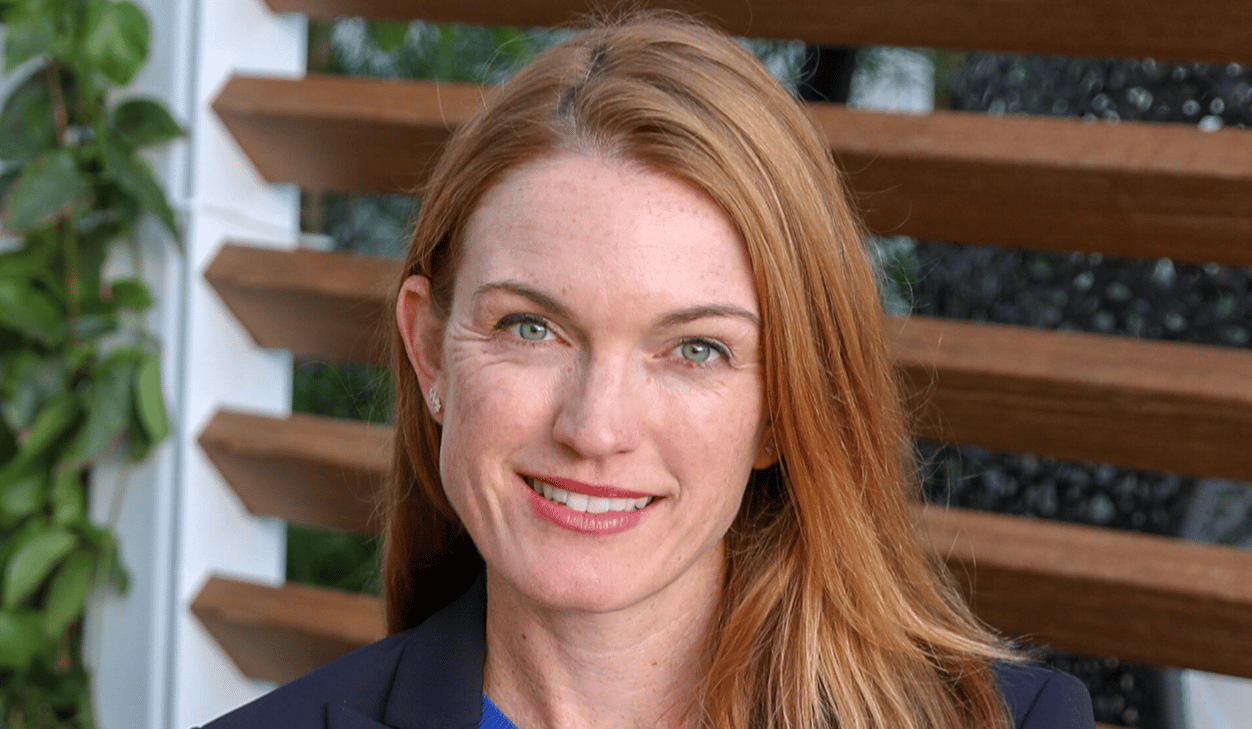
In early April, Google offered a response, of sorts, to calls for the company to take greater accountability for the mental health impacts of its products. It introduced several updates to how its Gemini chatbot behaves in situations where users show signs of mental health issues and $30 million in funding for crisis lines.
I spoke with Google clinical director Megan Jones Bell about the updates, and why she believes it's important to let people in crisis talk to chatbots instead of cutting them off from conversations.
Read more in my interview with Jones Bell here
policy
Utah Medical Board blasts Doctronic experiment
On Friday I broke the news that the Utah Medical Licensing Board has called for an immediate suspension of the state's plan to allow the startup Doctronic to use a chatbot renew medication prescriptions without clinician review. A majority of the board wrote in a letter that they only learned about the pilot after it had been announced and that it poses risks to patients. The experiment was authorized by the Utah Office of AI Policy under a program that allows that state to temporarily waive regulations for AI developers under controlled circumstances.
This is the latest sign of discomfort with the AI experiment, which experts told me undermines ongoing clinical care and may run afoul of Food and Drug Administration regulations. In response to the letter, the Office of AI Policy wrote that of course it consulted medical experts before authorizing the pilot. It said it would not suspend the project because it's still in an early phase where all renewals are being supervised by clinicians.
Read more here
medical devices
No automatic reimbursement for FDA breakthroughs
The FDA and the Centers for Medicare and Medicaid Services last week announced a new RAPID coverage pathway they believe will accelerate access to innovative medical devices deemed breakthroughs by FDA. The announcement comes just weeks after Medicare regulators proposed repealing a coverage pathway that made it easier for breakthrough devices to qualify for supplemental payments.
Under the new plan, developers of breakthrough devices will receive guidance from CMS on how to run pivotal trials that will collect the evidence necessary so that they can be covered shortly after receiving FDA marketing authorization. On a press call, a CMS official estimated that some 40 devices currently in its pipeline may be eligible.
As I reported with Katie Palmer, the plan does not deliver what industry has been hoping for: automatic reimbursement for breakthrough devices upon FDA approval. Industry observers noted similarities to an existing "parallel review" program, which hasn't proven a huge boon to manufacturers.
It will be interesting to see this unfold, and whether it actually delivers faster coverage and patients access. I'm very curious what details will come out in the Federal Register notice about RAPID when it comes out.
Read more here
medical devices
Zap in a cap?
FDA on Friday approved a request from Motif Neurotech to start gathering data on the safety of their device, a brain implant that treats depression by zapping the brain.
As O. Rose Broderick reports, scientists have used transcranial magnetic stimulation, or TMS, to alleviate depression for decades. Motif is putting their own spin on the therapy, including the use of a hat to spark the daily therapy, a task Jacob Robinson, Motif's founder and CEO, likened to charging your phone every day. Rose talked with Robinson about the trial and why Motif is zigging (treating depression) while the rest of the field is zagging (treating ALS).
Read more here












No comments