the deadliest drug
An overdue shift in alcohol addiction treatment?
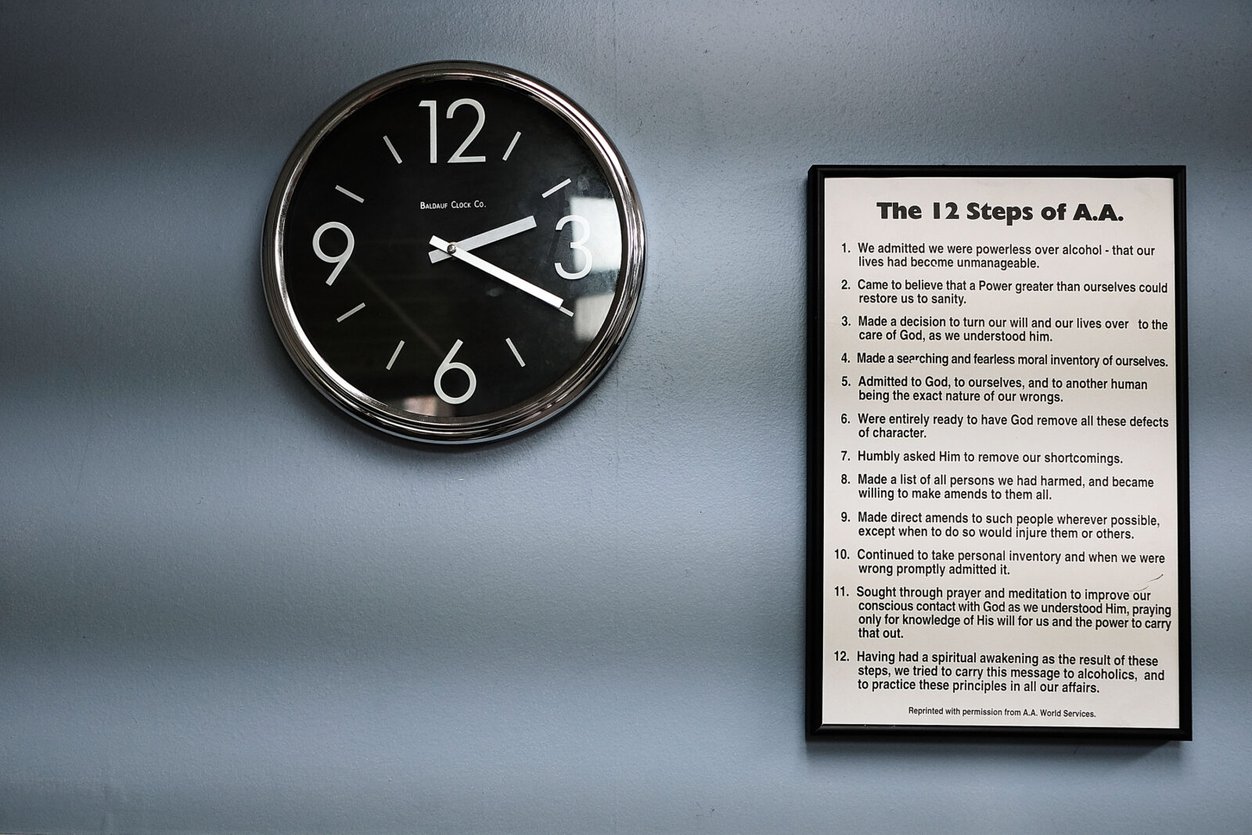
Spencer Platt/Getty Images
About 1 in 10 American adults meet the criteria for alcohol use disorder, with most of them experiencing only mild or moderate symptoms. Their drinking behavior is likely harmful to their health, but falls well below the threshold of what many would consider alcoholism. Historically, those looking to cut back have had few treatment options outside of Alcoholics Anonymous and other 12-step programs.
But that may be changing. “I certainly, absolutely got that cult feel going to some of those meetings,” a woman named Jillian told STAT’s Lev Facher about AA. Now, she volunteers to host and moderate virtual gatherings called 319 meetings, named for the day they started during the Covid pandemic, March 19, 2020.
Alternatives to AA are surging in popularity, spurred by an increased interest in alcohol moderation, the advent of new medications and repurposing of old ones, and increasingly flexible ideologies among 12-step proponents. In Part 4 of “The Deadliest Drug,” Lev reports on the seismic shift occurring in alcohol addiction treatment. Read more.
research
A new prize for mental health research
The charitable group Wellcome and the journal Nature this morning unveiled a new scientific prize focused on progress in mental health research, with $1 million set aside for the winning entry.
Applications are now being accepted and are due by Sept. 18. Three finalists will also receive $250,000 each. The competition going forward will take place every other year.
Miranda Wolpert, the director of mental health at Wellcome, said the idea for the prize came from the fact that the narrative around mental health is so bleak, when she and other funders are regularly seeing promising discoveries that could prove transformative in the coming years. The aim is to put a spotlight on innovative mental health research, a field that other scientific awards tend not to recognize.
“It’s trying to let people know that there’s rigorous science and advances in the field going on,” she said.
Those advances are broad and have far-reaching implications, Wolpert said, including everything from psychedelics to strategies to identify the right intervention for the right person at the right time, and from brain stimulation to generative AI tools.
The expert panel of judges will assess entries based on their novelty, credibility, effectiveness, and adoptability. — Andrew Joseph
data
Three years of declining overdose deaths
In the U.S., 14% fewer people died from drug overdoses in 2025 than the year before, according to preliminary government data. It’s the third straight year with decreased deaths, marking the longest successive decline in decades.
The data have given experts cautious optimism about tackling the overdose crisis, but many are worried that Trump administration cuts and changes in the drug supply could jeopardize that progress. The AP has more.












No comments