research
How exactly did AI beat doctors
Researchers last week published a study in Science showing that an OpenAI large language model can outperform physicians in case-based diagnostic and clinical reasoning evaluations. In the most impressive display in the study, researchers dumped raw electronic health record text from emergency department visits into the model and the LLM performed better than two physicians at identifying a correct or very close diagnosis.
Still, the researchers caution that the results are not proof that the bots are ready for clinical care. There's more to being a doctor than crunching text and that more rigorous evaluations would be needed to establish that medical use cases of LLMs are safe and effective. Co-author Adam Rodman, an assistant professor of medicine at Beth Israel Deaconess Medical Center, said he worries that his research "is going to get used by companies that are heavily financed and are looking to skip some of these essential safe pieces of medicine."
Read more from Katie Palmer here
policy
Role of telehealth in abortion access
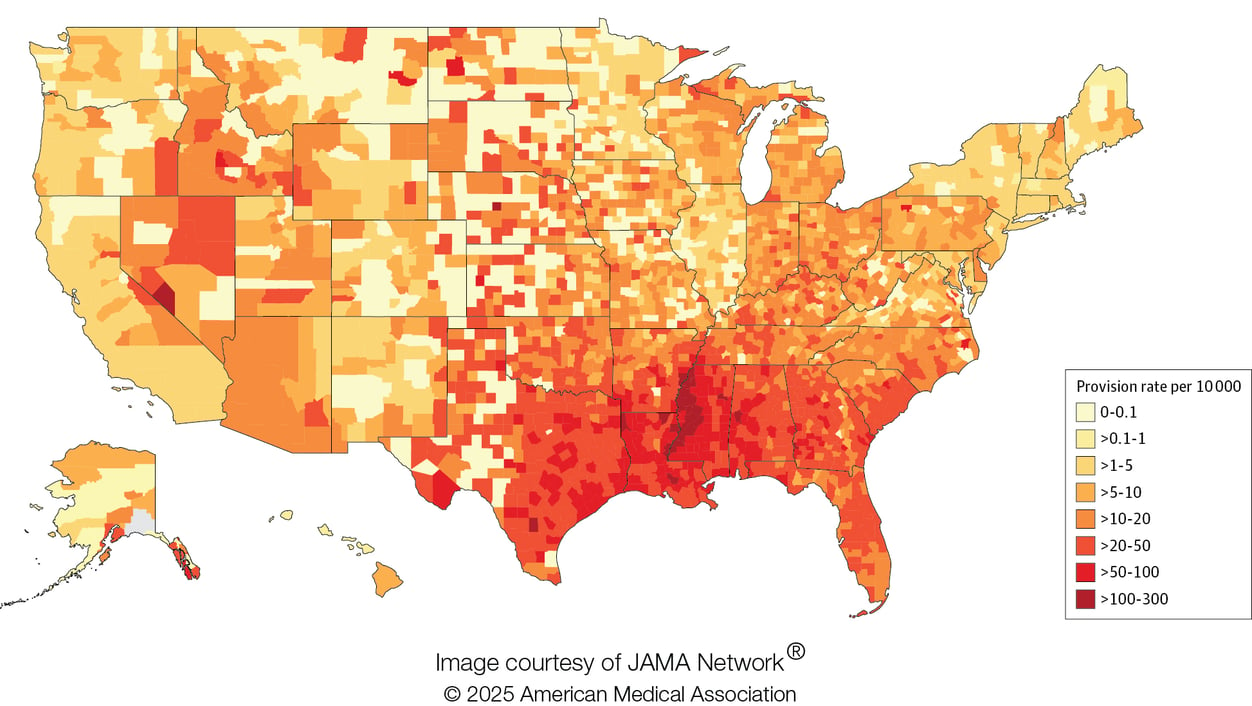
An ongoing lawsuit could block people from receiving the abortion drug mifepristone through the mail. The case holds major implications for telehealth access to abortion care.
Here's some high-level context: In 2023, the Food and Drug Administration determined that it was no longer necessary for mifepristone to be dispensed in person, by a provider. The state of Louisiana, which bans abortion, sued the agency last year, arguing the agency didn't perform an adequate review when modifying restrictions on the drug. FDA is currently undertaking another study. A federal appeals court last week sided with Louisiana and overruled the agency's 2023 decision, but the Supreme Court Monday temporarily blocked that ruling until next week when the court plans to consider arguments from both sides. Importantly, the current case does not affect misoprostol — a drug commonly used alongside mifepristone — that can be used to end pregnancies.
As Katie Palmer wrote last summer, telehealth has become a crucial way people can receive abortion care in the wake of the Dobbs ruling that allowed states to ban abortions. The map above, from a JAMA study that Katie discussed in the story, shows a county-by-county breakdown of online prescriptions during a 15-month period starting in July 2023 from Aid Access, one of the largest telemedicine abortion providers. "In those 15 months, 84% of Aid Access’ prescriptions went to patients in states with near-total abortion bans or bans specifically on telemedicine abortion," Katie wrote. About a quarter of abortions are provided over telehealth.
lawsuits
Epic wins fight with Veeva for now
Brittany Trang writes: We told you in February about a lawsuit between Veeva, which makes clinical trial software, and Epic, the electronic health records company. Veeva alleged Epic's non-compete and stock purchase agreements were too restrictive, as Epic employees chickened out from Veeva's hiring process because they couldn't afford to lose their Epic stock. Veeva argued that its products were in a totally different market than Epic's and that Epic adding Veeva to a list of competitors its employees couldn't work for was an overreach.
Last week, a judge dismissed the case, arguing Veeva lacked standing to bring the suit because it doesn't actually have any relationship to Epic's employment agreements.
In response, Veeva's general counsel Josh Faddis posted on LinkedIn that Veeva would provide legal advice and pay legal fees should Epic attempt to enforce a non-compete against a former Epic employee whoI joins Veeva.











No comments