| The skinny
A new report from UPMC’s Center for Connected Medicine showed that the field is making progress, with more provider organizations than ever before building out formal precision medicine programs. In fact, it found that more than three-quarters of U.S. health systems now operate these programs for genetic testing and personalized care. However, the report also highlighted the hurdles many organizations are still struggling with as they try to scale these programs, including reimbursement, data integration and patient engagement. Reimbursement woes
Reimbursement for many precision medicine services remains inconsistent, with coverage varying widely by payer, indication and test type. Some targeted therapies and genetic tests are reimbursed, usually in oncology. However, many broader applications — like population genomic screening and much of pharmacogenomic testing outside oncology — face limited payment pathways, often requiring prior authorization or strong supporting evidence of clinical utility. Payers want clearer proof that these approaches improve outcomes and reduce costs before they decide to broadly reimburse them, which means health systems have to collect better data. They need to produce data showing benefits like earlier diagnoses and free hospital admissions, said Adrian Lee, director of the Institute for Precision Medicine at UPMC. Fixing the final mile
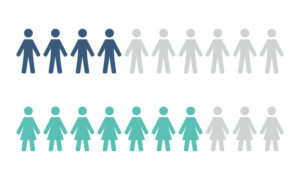
Patient drop off is another pain point that precision medicine professionals are figuring out how to best address. Patients can disengage or fail to follow through at multiple points in the care pathway, pointed out Daryl Pritchard, science policy consultant at the Personalized Medicine Coalition, a nonprofit seeking to advance the field. For instance, patients can miss follow-up testing appointments or fail to retrieve the therapies tailored to their genetic profile, he explained. In lung cancer, many patients still never receive the biomarker-driven treatments that are best matched to their disease. Pritchard said about only about 35% of lung cancer patients end up actually receiving their personalized treatment. Pritchard said improving coordination, testing workflows and clinical decision support will be key to eliminating these gaps. He noted that these challenges are especially pronounced in community hospital settings, where resources and infrastructure are more limited than at large academic medical centers. — By Katie Adams |






No comments