bacterium
A rare animal disease among European gay men
Camille MacMillin/STAT
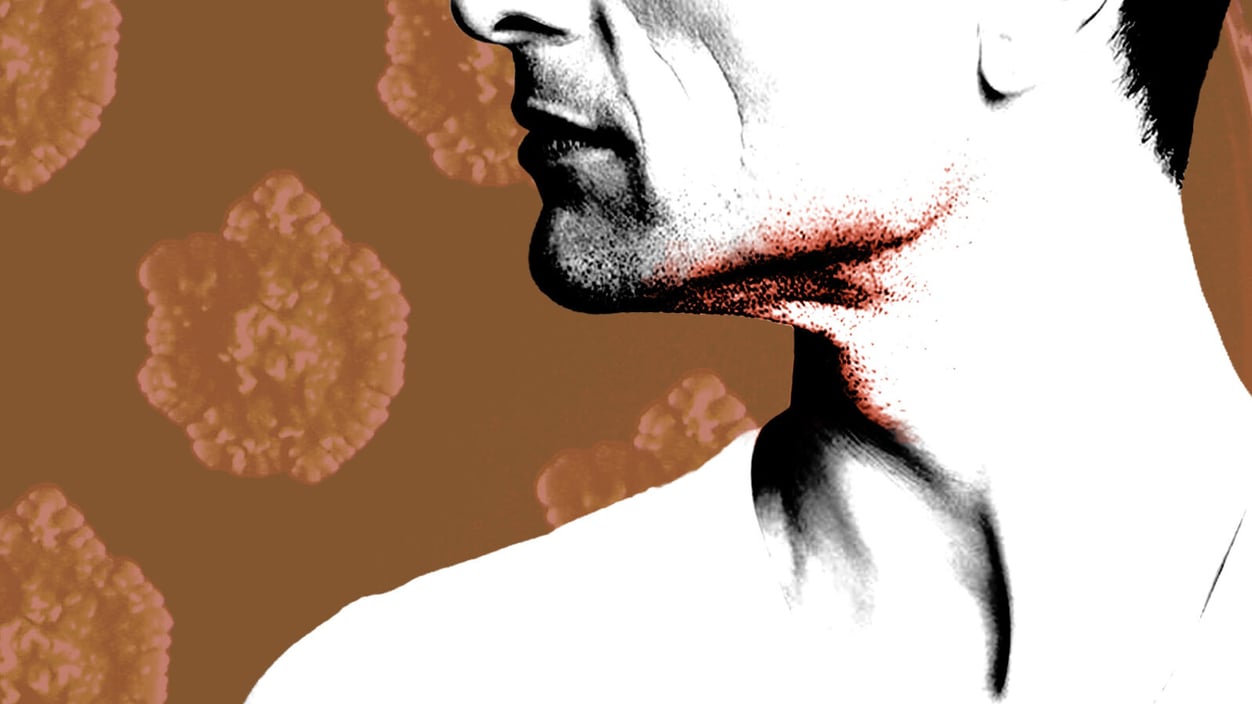
Dermatophilosis is a skin disease, triggered by a bacterium, that normally infects livestock. But in France and Spain, researchers have diagnosed the condition in a number of men who have sex with other men with no known exposure to affected animals. Across Europe, more than 25 cases have been confirmed.
In some ways, it’s reminiscent of the 2022 emergence of mpox among gay men, but so far this disease is a much milder experience, STAT’s Helen Branswell reports. Sometimes called “rain rot” or “strawberry foot rot,” the disease’s primary symptom is a rash. “The question’s going to be: What does that mean in the real, clinical world?” Demetre Daskalakis, former HIV prevention leader at the CDC, told Helen. Read more on the situation.
one big number
400
That’s how many diapers some families in California will soon receive when they’re discharged from the hospitals after birth, according to a Friday announcement from Governor Gavin Newsom. For the average baby, that works out to around a month’s worth of supplies. The program will launch in the next fiscal year at 65 to 75 hospitals that serve low-income patients and perform a quarter of births in the state. California joins Tennessee and Delaware as the third state with a free diaper program. The AP has more.
that time
The connection between periods and mental health
People with conditions like premenstrual syndrome or premenstrual dysphoric disorder are more likely to suffer from psychiatric disorders — and vice versa — according to a study published Friday in JAMA Network Open.
Researchers analyzed data from a Swedish registry of more than 3.6 million women from 2001 through 2022, matching the records of those with premenstrual disorders to their unaffected biological sisters as well as 10 more unaffected controls. About 105,000 people had PMD diagnoses, 48% of whom had a previous psych diagnosis, compared to nearly 30% of controls. The pattern was seen the other way, too: 37% of those with psychiatric diagnoses later received a PMD diagnosis, versus 21% of those without.
The risk pattern was strongest for depression and anxiety, but also present for ADHD, bipolar disorder, and personality disorders. Previous research has hinted at these associations, but studies are small and often have short follow-up periods. It’s possible that both genetics and the biological mechanisms around hormones and neurology play a role in these connections. As usual, more research is needed.












No comments