

🏥 Addiction Capitalism
 |
|||||||||
|
|||||||||
|
|
|||||||||
Happy Tuesday, Hospitalogists! This week I’m publishing 2 newsletters that are more editorial and opinionated in style and content. This first story is one I’ve been thinking about for a while ever since the live betting markets said they’d start offering live betting on clinical trials. It turned into a broader commentary on addiction and consumer choice and the opportunities we have to address these issues. There’s also a separate small section at the bottom about a YouTube creator who is suffering and published his entire medical records history in a last ditch effort to open source his mystery diagnosis. Then on Thursday I’ll have another sharp editorial from two thoughtful individuals around HIPAA, its intended design, and what it intentionally did not address. Lots of fun ones this week and I would really appreciate your thoughts on both. Let’s dive in! Was this email forwarded to you? Sponsored by R1 Healthcare's revenue cycle isn't broken because of one bad workflow. It's broken because clinical and financial data were never built to talk to each other. That translation gap is where denials, delays, and downgrades live, and no single point solution fixes it. That's the thinking behind Phare, healthcare's first Revenue Operating System. R1 built Phare as the architecture for connecting data, workflows, and intelligence across the entire revenue cycle. I've written before about how fragmented systems drive up the $200B+ we spend annually on admin costs. Phare is R1's answer to that fragmentation problem. See how Phare OS is built to prevent denials before they happen and drive faster payments industry-wide. BLAKE'S BREAKDOWN Why do we have to bet on everything?Kalshi wants your action on Phase 3, and friction was the only thing protecting us My three-year-old is not potty trained. If Kalshi listed a contract on it, I'd guess "resolved before age 2 years 8 months" prices around 96%, with heavy volume from my wife and a small short from me based on this morning. Will Blake ever be a scratch golfer? No — 99%. I'd take the other side anyway, which is more or less how all of this works. 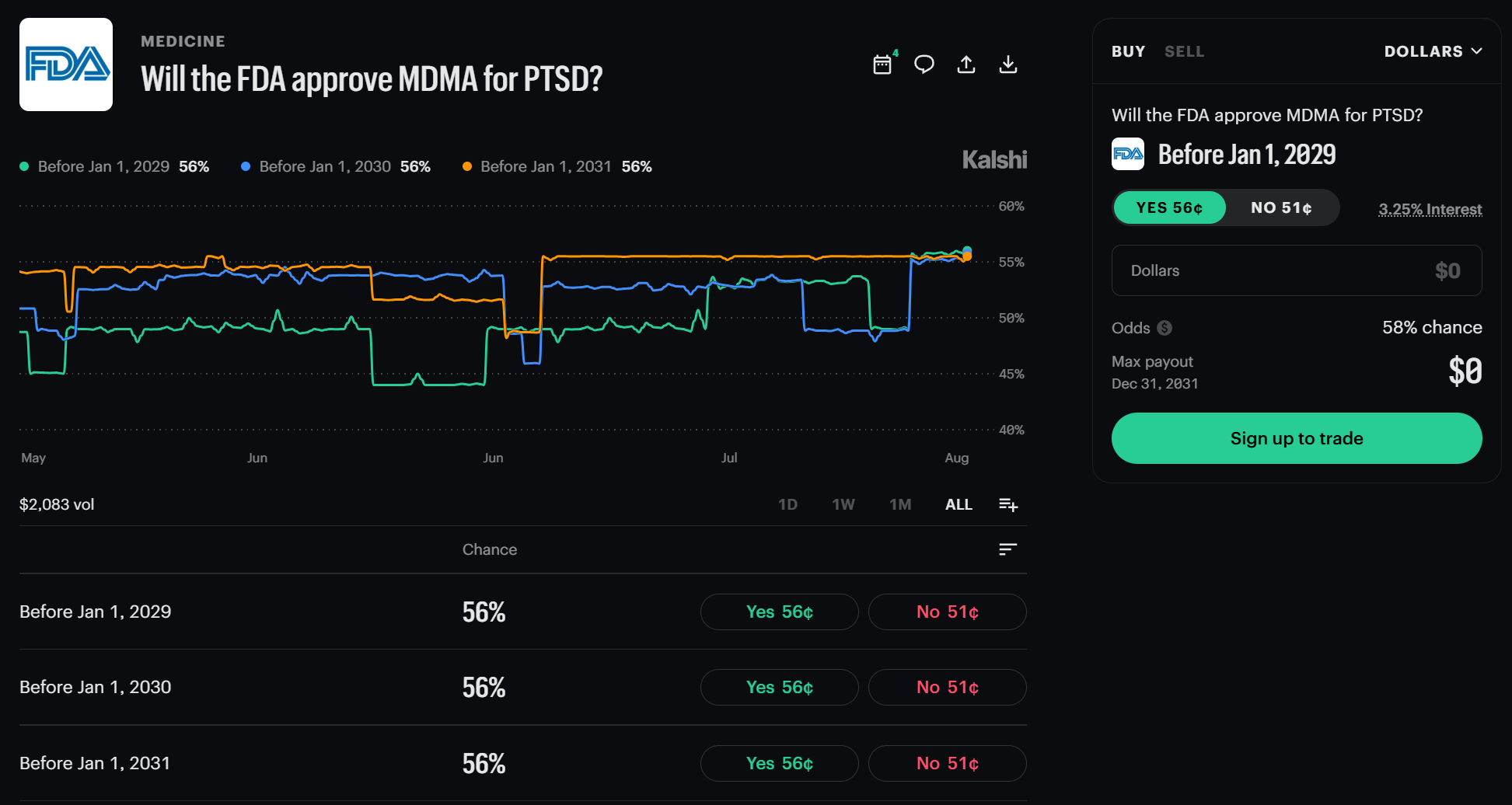
Dumb lighthearted bets aside, Kalshi and Polymarket have moved past elections and Fed decisions and have introduced binary contracts on things like clinical trial readouts and regulatory decisions affecting nuanced parts of industries. Phase 3 outcomes. PDUFA dates. Label expansions. Who’s succeeding Judy. And their pitch is reasonable on its face: options on a life sciences firm are a noisy way to express a view on a biological event, because you're also buying the company's cash position, its pipeline, sector beta, and whatever the Nasdaq did that morning. A binary contract isolates betting to just the event itself. But it is still exactly that: a gamble. Plenty of smart people will read live betting’s move into things like clinical trials outcomes and shrug. Options on the same event already exist. It’s not that different. Trial data sits behind blinding and a data safety monitoring board. Anyone touching material nonpublic information is already exposed to securities law and FDA enforcement. Adding a Kalshi contract gives an existing insider a new venue, and that's it. It’s a reasonable defense but it misses the forest for the trees entirely. Think about a site coordinator at one of 40 enrollment locations. A data manager at the CRO. A biostatistician's spouse. None of those people can meaningfully monetize a partial read through equity derivatives. These things are tightly monitored. For instance: position sizing is conspicuous, the instrument, as previously mentioned, is noisy, you have to factor in things like implied volatility value of an option, and surveillance around options flow is mature. A binary contract that pays a dollar or zero on one question fixes all four problems at once. Corruption ROI goes up, and the population for whom corruption becomes rational expands right along with it. I spent years at my previous firm VMG Health doing valuation work where the whole exercise depended on people telling us true things about their own numbers. Integrity. And information integrity in healthcare is held together by professional norms far more than by enforcement capacity. Norms bend when the payoff changes. We are about to find out how much. The internet turns behaviors that historically had natural friction and limited frequency into highly accessible, continuously available, variable-reward systems. The downstream consequences of this dynamic (social media, pornography, greater connectivity) have played out for years - both positively and negatively. Increasingly, through avenues like live betting, online gambling, and online casinos, we are enabling and allowing companies to create pathways causing younger people to develop compulsive behaviors and addictions. Without proper consumer opt-in protections, our healthcare system, and the already-behind mental health infrastructure therein, will be the ones on the hook to care for this emotional and physical destruction. Nobody fixes a Phase 3The White House teleprompter was just caught ‘insider trading’ and is being investigated for fixing speech lengths. Read that statement again and tell me how damn dystopian that is. Sports prop betting is a better, more prolific example. Investigators have found numerous players fixing outcomes both at the professional and collegiate level (and also creating threats to student athletes). Now with democratized betting markets for everything you could possibly think of, what was once confined to sports or select events is now widespread across every imaginable predictable thing we can think of, and more accessible than ever before. So the integrity of every major perceived event (and a lot of small, insignificant ones) is now in jeopardy. We can now draw lots any time we want, and the prevalence of live betting markets will only serve to find more - and younger - individuals who can’t control themselves, leading to increased prevalence of gambling addiction. Prop fixing works because one player controls one discrete outcome and the market is granular enough to make a small action profitable.
We've now watched this play out at the professional and collegiate level, which means we're putting 19-year-olds in a position where a stranger in their DMs has a financial interest in one bad possession (and berates or verbally abuses them for losing their money when the bet doesn’t hit). Now extend this potential harm to healthcare, or any other prediction market use case. What's attackable in a trial is timing and information. Interim analysis leaks. Maybe predictors somehow get in touch with enrollees found in a data breach. Adverse event reporting cadence. PDUFA slippage. Whatever sits in the gap between when a sponsor knows and when a sponsor tells anybody. Those vectors are real, they involve identifiable people with ordinary financial pressures, and none of them requires a single scientific result to change. We are taking processes like clinical trials in healthcare that requires the highest degree of trust we're capable of producing and hanging a betting line on it. What are we doing here? Everything used to be harderWe’re living in the golden age of addiction. Back in the day, a sex addict had to walk into an adult store and buy a physical magazine. You couldn’t Doordash alcohol. Online addictions didn’t exist because…the internet didn’t exist. Our brains are not instinctually wired to prepare us for the level of dopamine created by the various vices of today. Gambling used to be rate-limited by physics. You drove to Shreveport. You knew a guy, and the guy had a phone number, and the phone number had hours. Football came once a week and settled once. Every one of those steps cost you time, money, and social visibility, and all that friction was doing enormous work nobody ever credited it for. 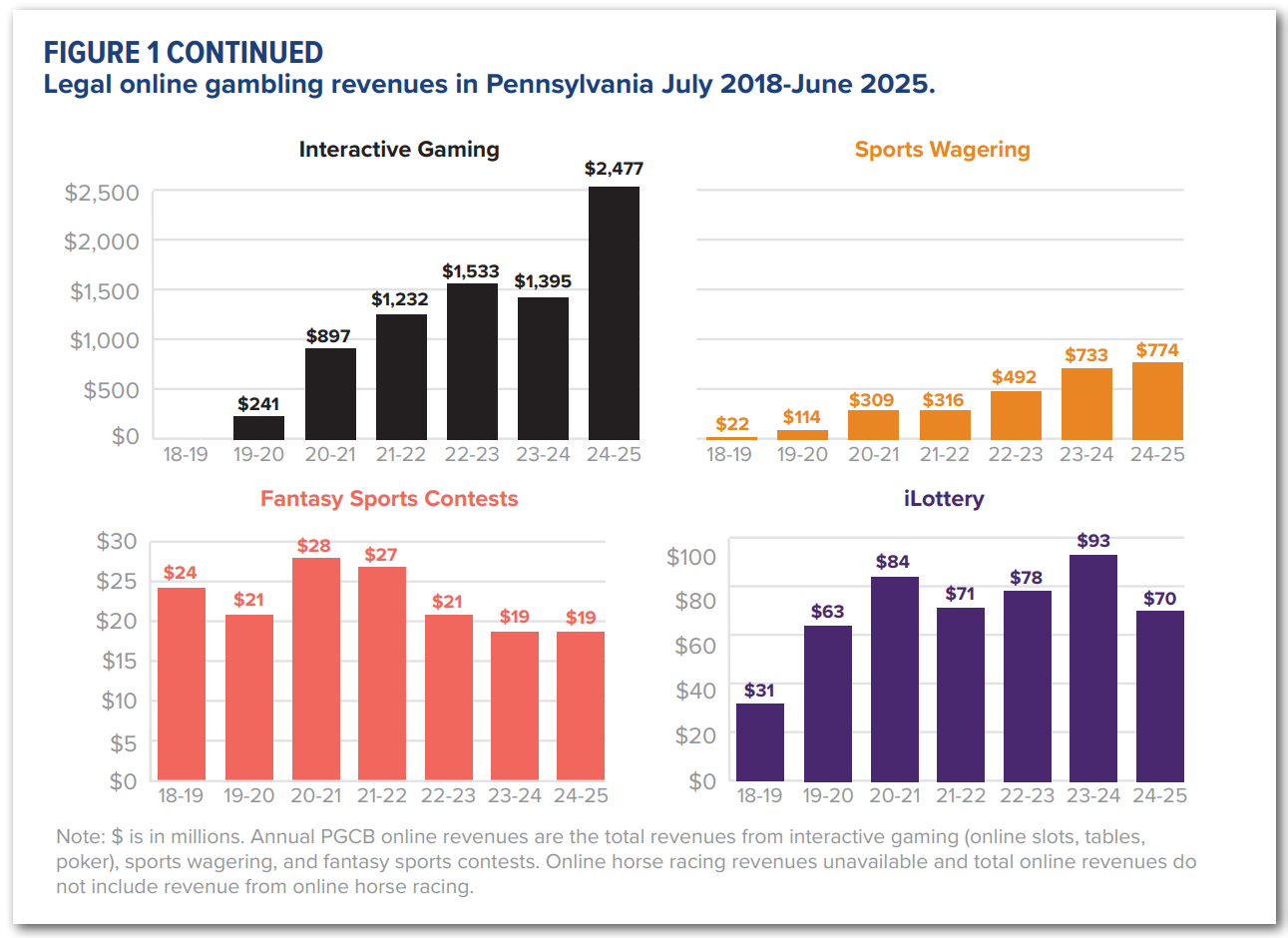
Internet distribution deleted all of it. What was geographically constrained, socially observable, and settled weekly is now continuously available, completely private, and settled in seconds. One NFL game now carries dozens of in-play markets that open and close while you're watching it, which turns a weekly event into a variable-reward loop running for three straight hours. NFL Red Zone is sponsored by Draft Kings. ESPN Bet is shoved down our throats with sign-up bonuses or great odds if you make a parlay. Variable reward on a short interval is the most reinforcing schedule we know of. It's why slot machines work. It's why your phone buzzes the way it does. Prediction markets take that same collapse and hand it to categories that never had a betting apparatus at all. Elections resolved once every two or four years; now they resolve continuously, in parallel, across hundreds of contracts. Clinical trials are simply next in line — irregular, high-stakes, binary, and sitting there with no retail wagering infrastructure built on top of them yet. Every domain this touches gets the same treatment. Natural rate limits stripped out, frequency multiplied, availability made total. Democratized access to betting! It’s so efficient! Which is also my answer to the best argument against me. A reasonable skeptic says legal online gambling mostly relocates compulsive behavior that already existed — away from illegal books, scratch-offs, daily fantasy — so the vulnerable population is roughly fixed and the marginal harm is small. If friction didn't matter, they'd be right. Friction is exactly what determines how much of a latent vulnerability ever gets expressed. Somebody with the underlying wiring who had to find a bookie in 1998 mostly didn't. That same guy in 2026 has forty markets on his lock screen at 11pm and a promo code in his email telling him his first loss is on the house. Look at who's showing up. In states like Pennsylvania, we’re creating younger addicts who gamble more. 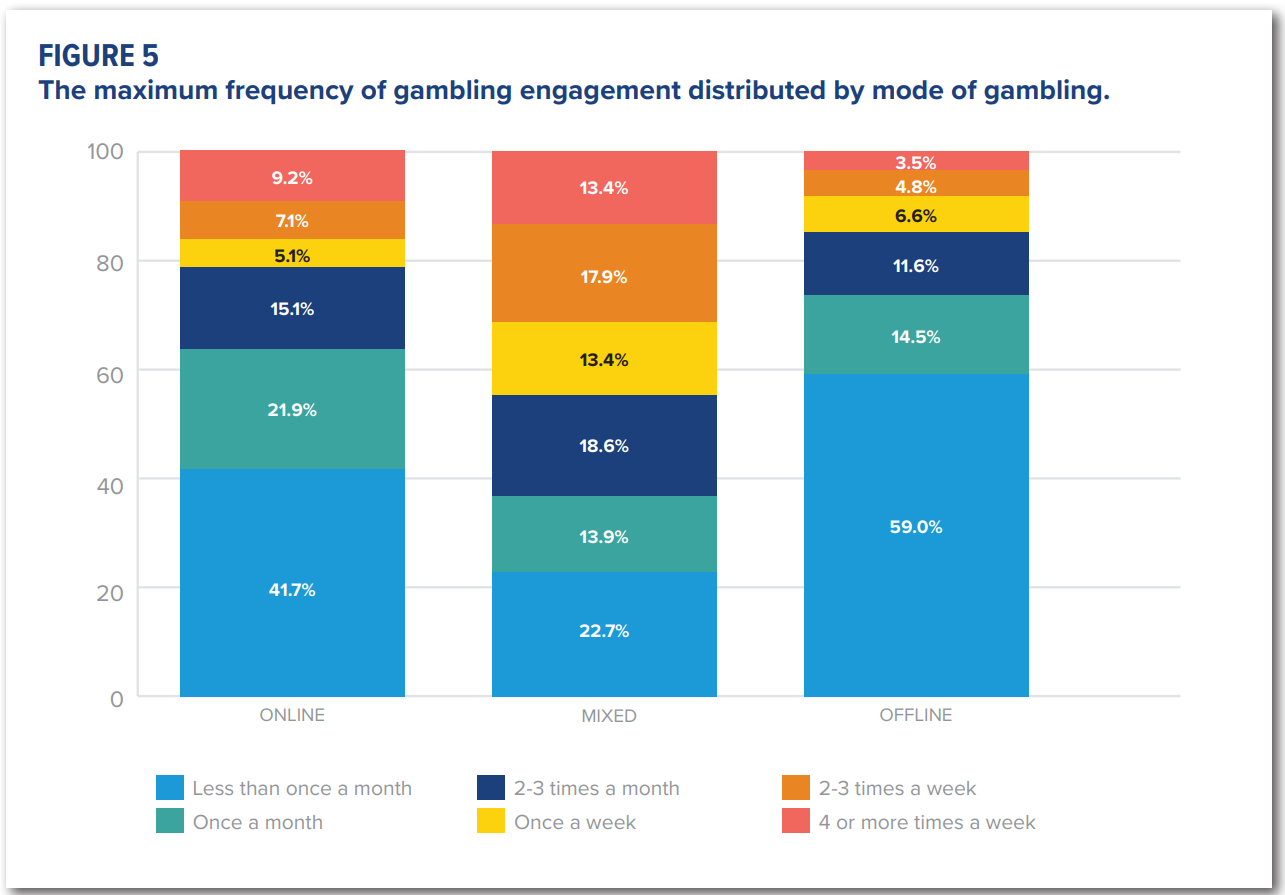
Online gamblers tend to be younger and gamble more frequently than offline gamblers, with research also finding higher overall gambling expenditure and higher rates of problem gambling among online gamblers. The always-available, highly repetitive nature of online gambling exposes users to frequent cycles of uncertainty, reward and reward prediction errors, which can reinforce gambling-related cues and habits and, in vulnerable individuals, contribute to compulsive behavior. These mechanisms overlap with those implicated in other behavioral addictions, including gaming and compulsive sexual behavior, and these problems frequently co-occur. A 2025 Siena/SBU poll put 22% of Americans on an online sportsbook account, including 48% of men 18–49, and an NCAA survey found two-thirds of men 18–22 had bet in the previous year. This is the creation of the next generation of compulsive gamblers. Potential addicts. An interesting stat about addiction you might not know is that when someone struggles with one addiction, they are much more likely to struggle with another at some point in their lives, or be co-addicted with multiple. Internet addiction → shopping → phone / social media. Gambling → gaming. Roughly 1 in 2 people who have had a genuine addiction of any type have, at some other point in their life, had a second one. By sheer numbers and access, we are creating younger addicts who are more likely to develop multiple addictions with the likelihood of compounding compulsive behaviors, creating financial and emotional ruin. All for the sake of a few extra points of GDP or extra tax revenue. Key stakeholders willfully ignorant to the scale and magnitude of potential harm they’re causing on the back end. Maybe Gamblers Anonymous can pick up the slack. Or maybe we’ll just have a subset of Millennials and Gen Z’ers who hate themselves and are drowning in debt. We are running a national experiment on the size of the vulnerable population and we have no instrument capable of reading the result. Addiction CapitalismCapitalism and the idea of more consumption = better economic output means the addict is a highly sought-after customer. Why do you think the freemium model works in gaming? A game like League of Legends sustains itself through the top 0.1% of players paying for a majority of the in-game purchases (AKA, $300 skins for their characters). The same monetization model applies to casinos. Revenue concentration in these businesses is purposeful. Companies target addicts as cash cow whales for their business. Before Fanatics acquired PointsBet, VIP bettors were 0.5% of the company's customer base and generated more than 70% of revenue across 2019 and 2020. Account-level operator data from other markets shows roughly 80% of fixed-odds sports betting revenue coming from about 5–7% of customers. In Australia, PointsBet claimed in an ASX filing that rival Betr pulled more than half its net win in January 2025 from 20 customers. 20 people. This is the model - as intended, by design. Any operator with a functioning data team knows precisely who these accounts are. They know the 2am session patterns, the deposit velocity after a loss, the chasing. Sportsbooks limit winning bettors with remarkable speed and precision, which proves the capability exists and tells you exactly where it gets aimed. They know that if they can surface Bryce Harper - an extremely popular Phillies player - as an ad to their whales, they can squeeze more bets out of them. An addict isn't a bug in the model. He or she is the customer, and the model runs until the casino has pumped them for every physical, emotional, and spiritual resource ever owned. Meanwhile, shockingly, payors hold a dearth of data in comparison to the bookies. They’ll tell you, straight-faced, that they don't see gambling disorder volume in their claims data. While they're telling the truth about their data, they’re drawing a completely wrong conclusion from it. Gambling disorder gets coded as depression, anxiety, or a substance use disorder, because that's what the presenting complaint looks like, that's what reimburses, and that's what the treating clinician is credentialed for. F63.0 never makes it to the bill. I went through this with two mental health experts from Birches Health on a recent Claims Denied episode. They see this dynamic constantly, and it almost never reaches a claim under its own name. Addiction in general, by nature of how addicts operate, is vastly under-reported. I can't prove rising prevalence using data I just called broken, and if you want to poke a hole in this essay, start right there. But I really don’t care. I firmly believe it’s true. I’m just stating this opinion based on where I think we’re headed based on what we’re allowing consumers to do, and how an addict operates intrinsically: distorting reality, in a state of denial about their addiction. So take a tip from the bookie and look at the sources that don't route through a claim.
17% percent of traditional sports bettors and 24% of fantasy sports bettors self-report problematic behaviors, and 1–2% of lifetime gamblers hit clinical criteria in a given year. And this is just the folks who get found or are strong enough to self report. Most are hiding. Pennsylvania is the cleanest natural experiment we've got, having gone live with online casino ahead of most of the country and you saw the graph earlier about the rising prevalence across all types of gambling. Roughly 38 states plus DC allow sports wagering in some form. Only 8 have legalized real-money online casino as of July 2026. Internet gaming revenue across the seven operating states grew 27.6% in 2025 to a record $10.73 billion. 8 states, compounding at 28%. We're standing at the front edge of this, not surveying the wreckage afterward. Which gives us the opportunity to get ahead of it from a consumer protection/choice standpoint. Connecticut's Department of Mental Health and Addiction Services commissioned Gemini Research, which found roughly 2% of residents with severe gambling addiction account for 51% of the state's sports betting revenue — against 21.5% across all legalized gambling and 12.4% for lottery. Read that twice. The same agency that treats the disorder, documenting that half its sports betting tax base comes from the people it treats. And sports betting landing at more than double the harm rate of the average legal gambling product is precisely what the friction argument predicts, because it's the highest-frequency, shortest-resolution, most available product on the board. Then everyone declines to ask how we got here. We book the tax revenue, gloat about the 2.5% GDP print, and turn around and tell our healthcare industry to do more with less while behavioral health capacity gets squeezed and ERs fill up. If you want the chart that ends this argument, put state gambling receipts and state behavioral health appropriations on one axis, same fiscal year, by state. I’m willing to bet (pun intended) we’re headed down a path we don’t want to see. All of this is dystopian as hell, and a society driven this hard by speculation is the worst possible outcome I can imagine for my toddler. The bookie knewShohei Ohtani's former interpreter, Ippei Mizuhara, ran millions of dollars of someone else's money through a bookmaker trying to claw out of gambling debt. Two reactions to that case sit at the center of everything above. E. Martín Estrada, the former U.S. Attorney who prosecuted it, told ESPN he wasn't convinced addiction alone explained the conduct — his read was a man who saw a bigger opportunity and took it. From the recent ESPN article: But the U.S. Attorney who prosecuted Mizuhara's case told ESPN he did not believe Mizuhara's actions could solely be explained by his gambling addiction.
Obviously that's the prosecution, so you're getting a certain spin, and intent is the actual question in a courtroom. But that framing is the same framing that keeps this entire population out of the care pathway. Treating addiction and choice as mutually exclusive is how gambling disorder ends up as a character finding instead of a diagnosis, and how it stays off the bill. It surprises me that someone who deals with compulsive decision-making potential criminals every working day of his life would reach for it. More interestingly, Mathew Bowyer, the bookie for Ohtani’s interpreter, who described himself as a compulsive gambler, said he'd never seen volume like Mizuhara's. All night. Constantly. He knew Mizuhara was an addict right away. He recognized the compulsive behavior. Sit those two statements next to each other.
Detection capacity in the addiction cycle lives at the transaction choke point, not in the claims file. Bookies, deposit processors, sportsbook risk desks, pawn shops — all of them have better real-time signal on compulsive gambling than any payor in this country. Nobody has ever made it worth their while to do anything with it. I was just chatting with my friends about this over the weekend. “What if we had some way to incentivize these gray market choke points to flag potential addicts?” Do it nowI do want to make one thing clear because I don’t want this to devolve into an argument around “the consumer should know better. It’s a free country.” No. I'm not arguing for prohibition and never have been. Adults get to pick their vices. I live in Texas. I need a margarita in August. What I want is for the same machinery that identifies a vulnerable user for targeting, with unbelievable precision around social and financial factors, to be pointed back around and handed to that user for protection. We are entering an era - with AI - where this hyper personalization and individualization of online experiences should be possible. Do it now. Our ultimate end, steady state, which should balance both consumer choice and protection, ought to extend consumer optionality around potentially addictive activities. Stated differently, consumers should be able to engage in their vices of choice, but those unable to control their compulsions need guardrails to avoid self-destructive behavior, and those individuals in recovery from said addictive behaviors need better controls and empowerment to similar ends. Voluntary controls alone won't get us there, and I'd rather say so than oversell my own fix. Anybody in active severe compulsion doesn't opt in, or opts out at the exact moment the guardrail matters. Self-exclusion registries are weak for that reason. Where voluntary settings do work is for the addiction population engaging in active recovery, along with the people who aren't clinical yet — AKA, the ones who want to take part in normal social life without constant harassment by the thing they're trying to beat or turn their brain away from. So a potential happy middle ground design answer here lies in delegation, accountability, community, connection. Let a trusted recovery partner, a clinician, or a spouse hold the key to the guardrails rather than relying on the compulsive decision maker themselves. Make reversal slow on purpose, or configurable by individual — 72-hour cooling-off before a guardrail can come back off, with a notification to whoever holds the key. Commitment devices work when they're hard to undo in the moment of craving. That's the whole idea, and a settings toggle is the exact opposite of it. Then make it portable across platforms instead of per-app, and push it past advertising and also into algorithmic recommendation, which is where the real damage happens:
We know for damn sure technical capability isn't the constraint. Every one of these platforms already maintains a granular behavioral model of you. They just point it one direction. Same collapse of friction that made compulsion continuously available could make protection continuously available, and we're entering the era where hyper-personalization at that level is actually buildable. Do it now. It won't happen without a mandate, because it costs these companies their best customers. Their best engagers. Finally, like I alluded to earlier, if there's anyone I trust to recognize a fellow gambling addict, it's a guy who takes bets and compulsively gambles on the side himself. Bowyer clocked Mizuhara in a way the entire federal apparatus couldn't. Which makes me wonder what would happen if we found a way to pay the choke points — the bookies, the risk desks, the payment processors — to route people toward help instead of deeper into the book. I recognize that asking the house to flag its best customer is a hell of an ask. I also can't think of a better place to look. Publishing your Medical Records Open-Sourcing Better Health, and the Data Privacy Questions Underneath the Surface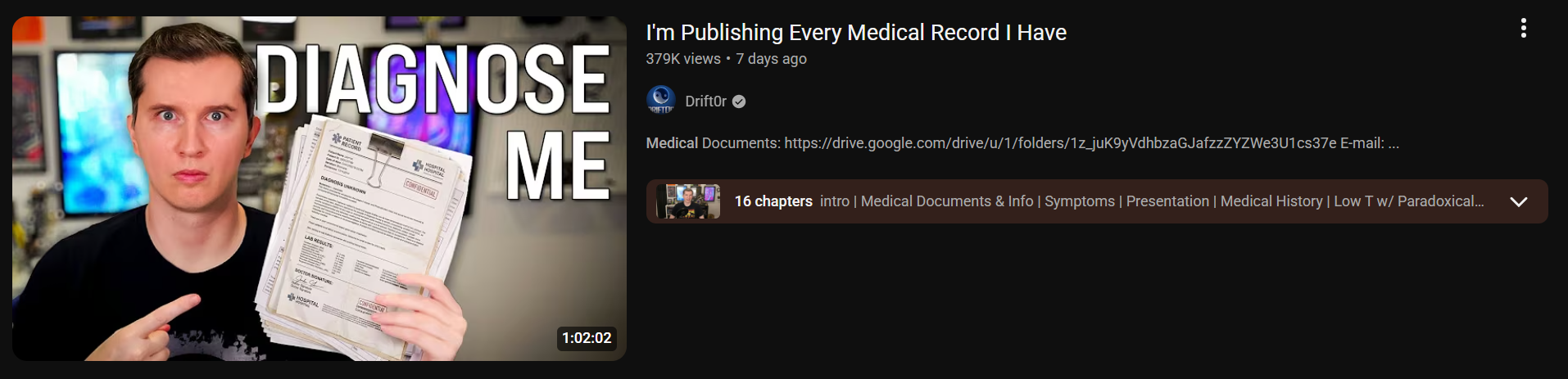
A Call of Duty content creator I used to watch all the time - Drift0r by name (who posts analytical, detailed numbers data for the various guns and how they compared to one another) - is dealing with chronic debilitating, undiagnosed issues. Last week he posted an hour-long Youtube video and in the description published all of his medical records onto a Google Drive because he literally cannot figure out what the heck he’s dealing with.
It always fascinates and engages me when someone I follow enters or deals with the healthcare system (Garrett Clarke from Good Good also comes to mind given his scary heart issues, and he also provided an update here). This trend also reminds me of Bryan Johnson’s journey, and whether you like him or not for the whole ‘don’t die’ thing, he posted his autoimmune gastritis diagnosis. We’re entering the era of certain individuals who are willing to post their medical journeys online and I can’t help but think about the broader implications around these decisions. There are probably a lot of people around the nation who care less about privacy and care more about data liquidity, trading off privacy for better information or care for themselves. By the way, if you have the capacity to check out Drift0r’s mystery diagnoses and are qualified to help him out, could be good PR for some flashy AI diagnosing startup or something if you can help him figure it out. Plus he’s a good dude and lives in Plano, TX. Sponsored by Capacity Health ED boarding is a public health emergency, and CMS is now measuring it. The ECAT mandate moves ED throughput tracking from manual chart abstraction to automated electronic reporting. That transition takes real-time clinical and operational integration, not post-hoc reports. Capacity Health helps ED teams see each patient's full picture and act on hospital protocols consistently, moving the ECAT measures that matter and protecting outpatient revenue. ON YOUR RADAR
Thanks for the read! Let me know what you thought by replying back to this email. — Blake |
|||||||||
|


No comments