Breaking News

Brain drain, flu strains, & protests

February 13, 2025
theresa-g-avatar-small - light bg
Morning Rounds Writer and Podcast Producer

Good morning! A friend and former journalism school classmate wrote a beautiful essay in the New York Times yesterday about grieving with Paddington (the bear and film franchinse). I can't recommend it enough.

science

Young researchers mobilize to protest

ANDREW CABALLERO-REYNOLDS/AFP via Getty Images

You might remember a couple weeks ago when STAT's Anil Oza wrote about how nobody planned a March for Science around Trump's second inauguration, despite the unprecedented display of political activism that occurred the first time around. But now, resistance is starting to form.

Unions representing fellows at the NIH and several universities are planning a protest at HHS headquarters. A grassroots group of scientists is planning a protest in D.C. and state capitals around the countryOrganizers say they are being pushed to action by political attacks that have directly affected their livelihoods and their ability to conduct research. Read more from Anil on the scientists planning protests across the country.


anniversaries

How Americans think about the pandemic, five years later

Almost exactly five years ago — February 11, 2020 — Covid-19 got its name. At the time, more than 42,000 people had been infected and more than 1,000 people in China had died because of the virus. The terror of that year can sometimes feel like a distant memory. New data from the Pew Research Center shows that 56% of Americans say Covid-19 "isn't something we need to worry about much today," and just 4% are still wearing a mask or face covering in stores all or most of the time. 

The data come from a survey of almost 10,000 adults in the U.S., conducted over a few days in October. Some interesting findings: 38% said there should have been fewer restrictions on public activity during the pandemic, while 18% say there should have been more, and 44% said the response was just right. Looking forward, 40% said the country would do better in responding to a future health emergency compared with Covid-19. (It feels important to note that this poll took place before the election, though of course it's impossible to say if or how that may have affected the results.)

Polls are faulty, but this one is particularly timely. As STAT's Helen Branswell wrote last month, there are many lessons that we could have learned from the pandemic. "What do we have to show for the time that has passed?" She asks. "Not enough." Revisit Helen's story on the five-year anniversary.  


global health

How the U.S. leaving WHO could affect your flu shot next year

In more forward-looking infectious disease news from Helen: Later this month, experts from around the world will gather in London to decide which specific influenza viruses the flu shot for next winter should target. (It takes months to make, bottle, and ship flu vaccines, which is why this discussion has to happen so early.) The WHO leads the effort, but the final decision is made by a group that typically includes both the CDC and FDA. 

Now that the Trump administration has announced its intention to withdraw from the WHO and prohibited U.S. government employees from interacting with the global health agency, it's unclear if there will be a U.S. presence at this year's meeting. If the CDC and FDA don't attend, next year's vaccines could be less effective. Read more on what's at stake.


science

Are we in a biomedicine brain drain?
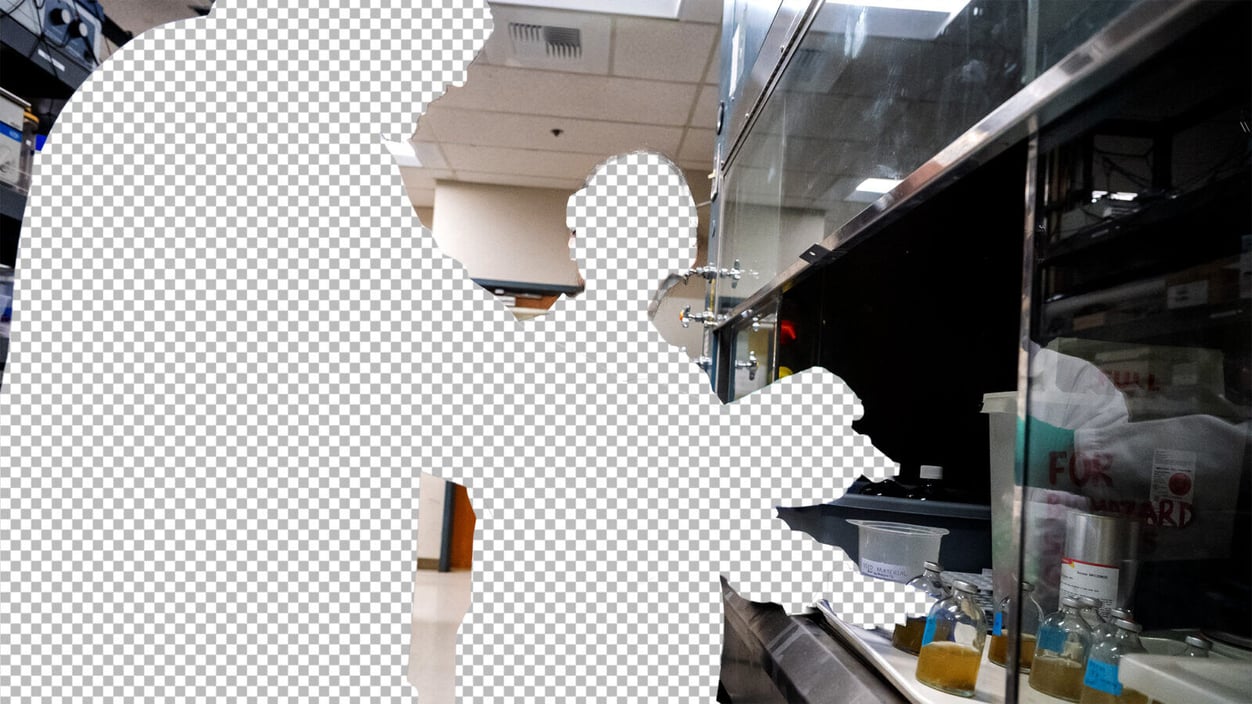
Photo illustration: STAT; Photograph: Getty Images 

A torrent of disruptive Trump administration policies — like a communications freeze, disruptions to grant reviews, canceling DEI programs, and funding cuts — is alarming scientists who fear the current political climate could well drive researchers to seek opportunities overseas, or to abandon academic research altogether. There's already been an exodus of life scientists from academia over the last few years into private sector jobs in the U.S., leaving the field weakened. 

In interviews with STAT's Angus Chen and Jonathan Wosen, more than a dozen scientists and academics across the country expressed concern about how the U.S. could lose its position as the world leader in biomedicine if young scientists leave their positions. 

"There's a fire sale on American academics right now," Carl Bergstrom, a biology professor, told my colleagues. Read more about what's at risk.


pharma

People with alcohol-use disorder drank less on Ozempic, small study shows

In the what-can't-GLP-1-drugs-do category, you've probably heard that the obesity drugs also curb cravings in the brain for alcohol. Pinning down that association can be a challenge — the same one faced by diet studies that rely on people to recall and faithfully report what they eat. A study published yesterday in JAMA Psychiatry got around that obstacle when researchers brought 48 clinical trial participants — half on Ozempic, half not — into the lab to sip their favorite beverages.

These people weren't already trying to quit drinking, but they all had been diagnosed with moderately severe alcohol use disorder. For nine weeks, half of the participants received low doses of Ozempic and kept track of how much and how often they drank. They also came into the lab at the trial's start and end for two-hour sessions when they could drink as much as they wanted. Their breath was analyzed and they answered some questions about their desire to drink.

Compared to the people who got a placebo, those who received Ozempic said they drank fewer drinks at home. They also drank less in the lab at the trial's end. A bonus: smokers smoked fewer cigarettes, too. 

This research is complicated — in the past two weeks, there have been conflicting media reports that the drugs have depleted libido and improved it. This small trial on alcohol is a starting point for larger, longer studies. Currently, there are few drugs approved for alcohol use disorder and low uptake of those that do exist. — Elizabeth Cooney


first opinion

A victory for 'The Angry Moms' and clozapine users

For people with treatment-resistant psychotic disorders like schizophrenia, the drug clozapine has shown to be uniquely effective, with high patient-rated satisfaction and the lowest mortality among any antipsychotics. It's been FDA-approved for decades, but since there are some serious associated side effects, there's also been a requirement for patients, providers, and pharmacies using the drug to be tracked in a special registry. 

Last fall, an FDA advisory panel voted 14-1 that such a registry was no longer necessary. In a new First Opinion essay, physician Daniel X. Pham writes that if the FDA follows the committee's vote, it could be a transformative first step for mental health care — though won't be enough on its own. Read more about the historically restrictive process of clozapine prescription, how it could improve, and what a group called The Angry Moms has to do with it all.


More around STAT
Check out more exclusive coverage with a STAT+ subscription
Read premium in-depth biotech, pharma, policy, and life science coverage and analysis with all of our STAT+ articles.

What we're reading

  • Medicare removes sexual orientation, gender identity questions from enrollment forms, STAT
  • How to close America's life expectancy gap, STAT
  • Doctor wanted: Small town offers big perks to attract a physician, KFF Health News

Thanks for reading! More tomorrow,


Enjoying Morning Rounds? Tell us about your experience
Continue reading the latest health & science news with the STAT app
Download on the App Store or get it on Google Play
STAT
STAT, 1 Exchange Place, Boston, MA
©2025, All Rights Reserved.

No comments