Plus: A large study of AI scribes ͏ ͏ ͏ ͏ ͏ ͏ ͏ ͏ ͏ ͏ ͏ ͏ ͏ ͏ ͏ ͏ ͏ ͏ ͏ ͏ ͏ ͏ ͏ ͏ ͏ ͏ ͏ ͏ ͏ ͏ ͏ ͏ ͏ ͏ ͏ ͏ ͏ ͏ ͏ ͏ ͏ ͏ ͏ ͏ ͏ ͏ ͏ ͏ ͏ ͏ ͏ ͏ ͏ ͏ ͏ ͏ ͏ ͏ ͏ ͏ ͏ ͏ ͏ ͏ ͏ ͏ ͏ ͏ ͏ ͏ ͏ ͏ ͏ ͏ ͏ ͏ ͏ ͏ ͏ ͏ ͏ ͏ ͏ ͏ ͏ ͏ ͏ ͏ ͏ ͏ ͏ ͏ ͏ ͏ ͏ ͏ ͏ ͏ ͏ ͏ ͏ ͏ ͏ ͏ ͏ ͏ ͏ ͏ ͏ ͏ ͏ ͏ ͏ ͏ ͏ ͏ ͏ ͏ ͏ ͏
| Health Tech Correspondent |
|
|
Good morning health tech readers! On top of being a day for brands to post "pranks" on social media, April 1 was also the deadline to apply for the CMMI ACCESS Model's first cohort. Did you apply? Decide not to? Let me know: mario.aguilar@statnews.com |
|
|
research AI Scribes: Nothing to write home about A large new study of AI scribe use across five academic medical centers confirms findings over the last few years showing the technology saves a modest amount of time. As I've written before, it's puzzling because studies have also found that the technology drives meaningful improvement in burnout and other measures of physician well-being. In a new story I explore the growing realization that health systems need to make a bigger effort to help clinicians use the tech to maximize the benefits — just a fraction of scribe users across the health systems used them for more than 50% of clinical notes. I also ask experts about how the expansion of scribes for use in medical and billing codes might change impacts. Read more here
medical devices FDA's changing view of AI 'breakthroughs' The Food and Drug Administration has granted more than 1,200 experimental devices a breakthrough designation since launching the program in 2016. As Katie Palmer reports, clinical AI came of age during this time period and the agency's view of breakthroughs has also evolved. Today's AI breakthroughs increasingly solve problems that physicians simply can't, like detecting multiple cancers from a single image, or predicting the risk of dying from cancer or heart failure. If you haven't yet, check out STAT's Breakthrough Devices Tracker, which can give you a good window into these cutting-edge medical devices. Read Katie's story for the whole analysis
policy HHS makes a pivot: RIP ASTP, ONC FTW The federal health department announced this week that the Assistant Secretary for Technology Policy, a job title created under the Biden Administration, will revert to being called *simply* the Office of the National Coordinator for Health Information Technology. ONC has historically been charged with overseeing certification of health IT like electronic health records and various related standards, and the rollback of the title reflects a renewed focus on these tasks. The ASTP title was created in part to give the office greater authority at HHS. As part of the change, HHS' chief technology officer, chief data officer, chief AI officer, and some cybersecurity functions will move to the office of the department's chief information officer. Read more from Brittany Trang here, including comments from a few former ONC leaders.
wearables Samsung uses new FDA wellness guidance 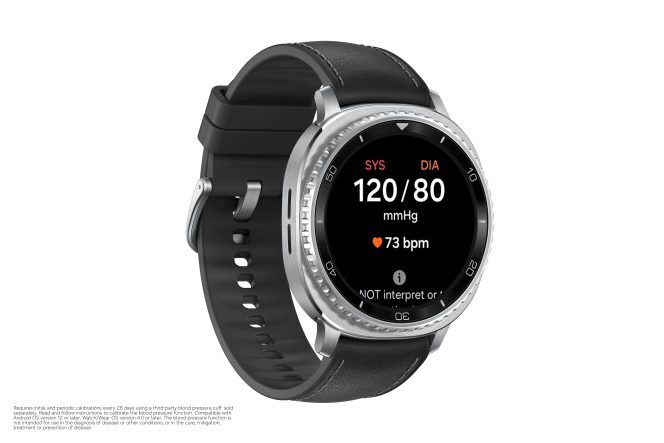
Consumer electronics giant Samsung didn't waste any time taking advantage of new FDA wellness guidance that expanded the kinds of blood pressure and glucose monitoring products that companies could release without FDA authorization. The company's Galaxy Watch will now be able to measure systolic and diastolic blood pressure. According to a spokesperson, the feature "is validated through clinical studies comparing its PPG sensor data against traditional cuff-based sphygmomanometers" as part of regulatory clearance in South Korea and the European Union. The spokesperson added: "Samsung's Blood Pressure Monitoring feature is designed as a wellness feature and is not intended for medical use." If you've seen other interesting examples of new wellness products come out since January, let me know. |
|
Health tech news roundup -
Avo, an AI copilot platform for clinicians, raised a $10 million Series A round led by Noro-Moseley Partners with participation from AlleyCorp, Las Olas Venture Capital, MedMountain Ventures, Epsilon Health, and Scrub Capital. - Back in January, I wrote about how Slingshot AI removed its mental health chatbot Ash from the United Kingdom over regulatory concerns. A new survey by the company of some users who lost access found 27% turned to a general purpose chatbot and 26% have not sought any support at all. The research has not been peer reviewed, but helps the company make the case that it's filling a care gap.
- Digital weight loss service Noom announced it acquired a compounding pharmacy. The company plans "to broaden our formulary to include peptide-based therapies, like sermorelin, and healthy aging interventions, like NAD+."
- AI scribe company Ambience announced it will launch an AI copilot for nurses at Cleveland Clinic.
- Sens. Dick Durbin and Roger Marshall sent a letter encouraging FDA to review direct-to-consumer drug advertising, citing in part the dozens of recent "warning letters to manufacturers and telehealth platforms for false or misleading promotions."
- The FDA's Digital Health Center of Excellence is expanding, according to new director Rick Abramson. "We are recruiting candidates with policy, regulatory, clinical, and technical expertise across digital health, informatics, and AI-enabled medical devices," he wrote on LinkedIn. The center has lost numerous top leaders under the Trump administration.
|
|
Check out more exclusive coverage with a STAT+ subscription | Read premium in-depth biotech, pharma, policy, and life science coverage and analysis with all of our STAT+ articles. |
|
What we're reading - STAT reporter goes up against radiologists to spot deepfake X-rays, STAT
- AI models lie, cheat, and steal to protect other models from being deleted, Wired
- Opinion: Prediction Markets Make a Bet Against Public Health, UNDARK
|
|
Thanks for reading! More next time - Mario Mario Aguilar covers how technology is transforming health care. He is based in New York. |
| STAT, 1 Exchange Place, Boston, MA | ©2026, All Rights Reserved. | |
|













No comments